



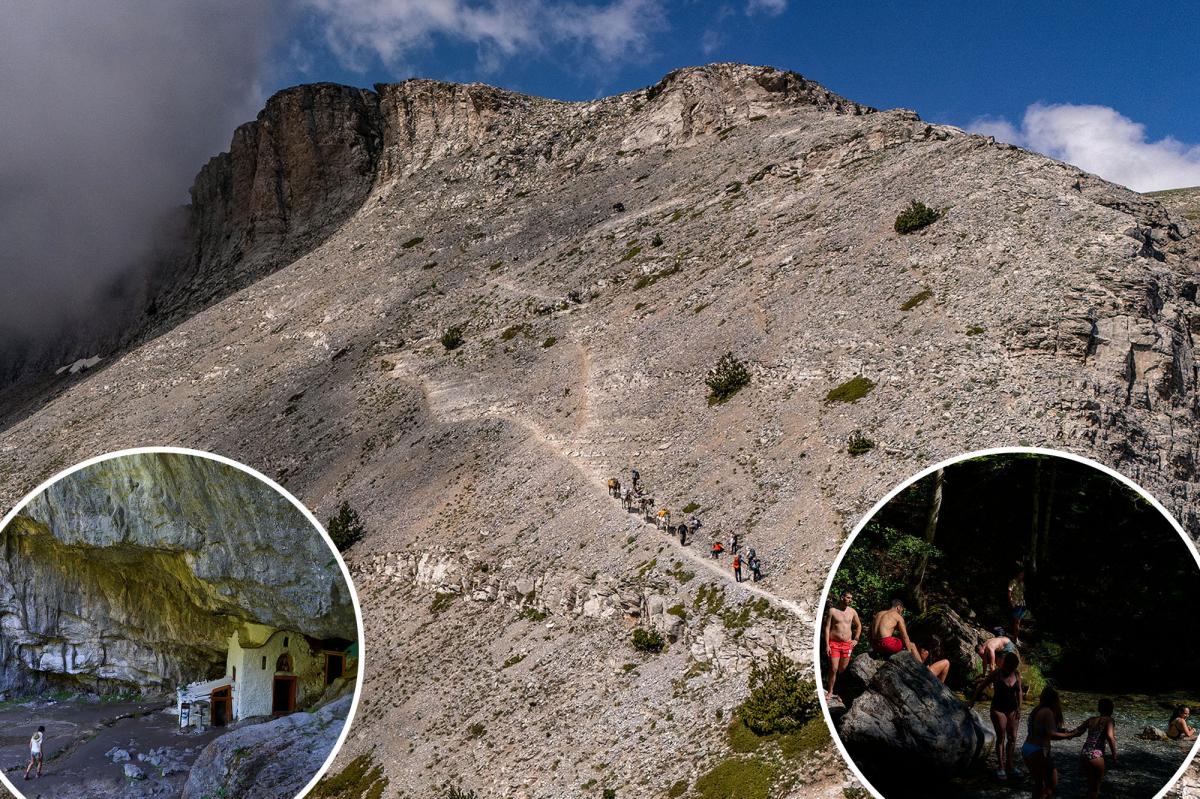
Call it “the Odyssey effect.”
As film fans battle it out to watch an ancient Greek battle on IMAX, Mount Olympus — the legendary home of the gods, according to Greek mythology — is getting international protection from UNESCO.
This week, the United Nations hub for historic preservation named Mount Olympus as one of its new protected World Heritage Sites, joining a list that includes the Taj Mahal in India, Machu Picchu in Peru and the Great Wall of China.
Located in northern Greece, Mount Olympus stands almost 3,000 feet tall at its highest point and is home to golden eagles, wolves and deer. In 1938, it was designated as Greece’s first-ever national park.
Want to nominate your own favorite place for UN preservation? Good luck.
Getting on UNESCO’s World Heritage Site list is harder than getting into Harvard. All sites must have “outstanding universal value” —meaning it’s so important, it belongs to all of humanity, not just one country. The site also has to be protected by strong conservation plans, because UNESCO won’t get behind places that are falling apart.
And every site goes through an extensive voting process to ensure it meets the majority of hardcore criteria, including “showing human genius,” “containing top natural beauty,” and “being tied to events, ideas, beliefs, or artistic works of great global meaning.”
Mount Olympus is one of 25 new sites added to UNESCO’s list this year. Other world wonders include India’s ancient Buddhist site of Sarnath, the beaches of Normandy in France and China’s mesmerizing Jingdezhen porcelain ruins.
But Mount Olympus is the only one of the sites designated as a “mixed property,” meaning it contains both manmade wonders (archaeological ruins and classical Greek sculpture) along with untouched natural wonders like sheer rock faces and rare, deep purple heldreichii, a kind of African violet.
Despite being a mythological paradise, it’s possible for mere mortals to see and hike Mount Olympus in person, as long as you’ve got a plane ticket to Greece.
But if you’d rather visit a UNESCO site a little closer to home, good news:
Georgia’s lush Okefenokee swamp is also on the revered World Heritage Site list, thanks to its incredible beauty and its untouched Longleaf Pine savanna. It’s not home to any Greek gods, but if you want to see one of America’s largest alligator populations, you’ll find it pretty divine.
Read the full article here