

The price of coffee is increasing faster than any other household grocery, and it’s not just tariffs driving the surge — bad weather, war and a frenzy of market traders are also to blame for the rise.
Coffee prices have spiked by a stunning 18.4% in the last year, according to federal data from February.
Most other household spending items — from groceries to cars to haircuts — don’t close to that increase rate, figures from the Bureau of Labor Statistics show.
Those increases have affected both producers and consumers, and reflect a trend that has been running wild since the pandemic — a pound of roast coffee cost about $4.17 on average in 2020, and about $9.46 in 2026.
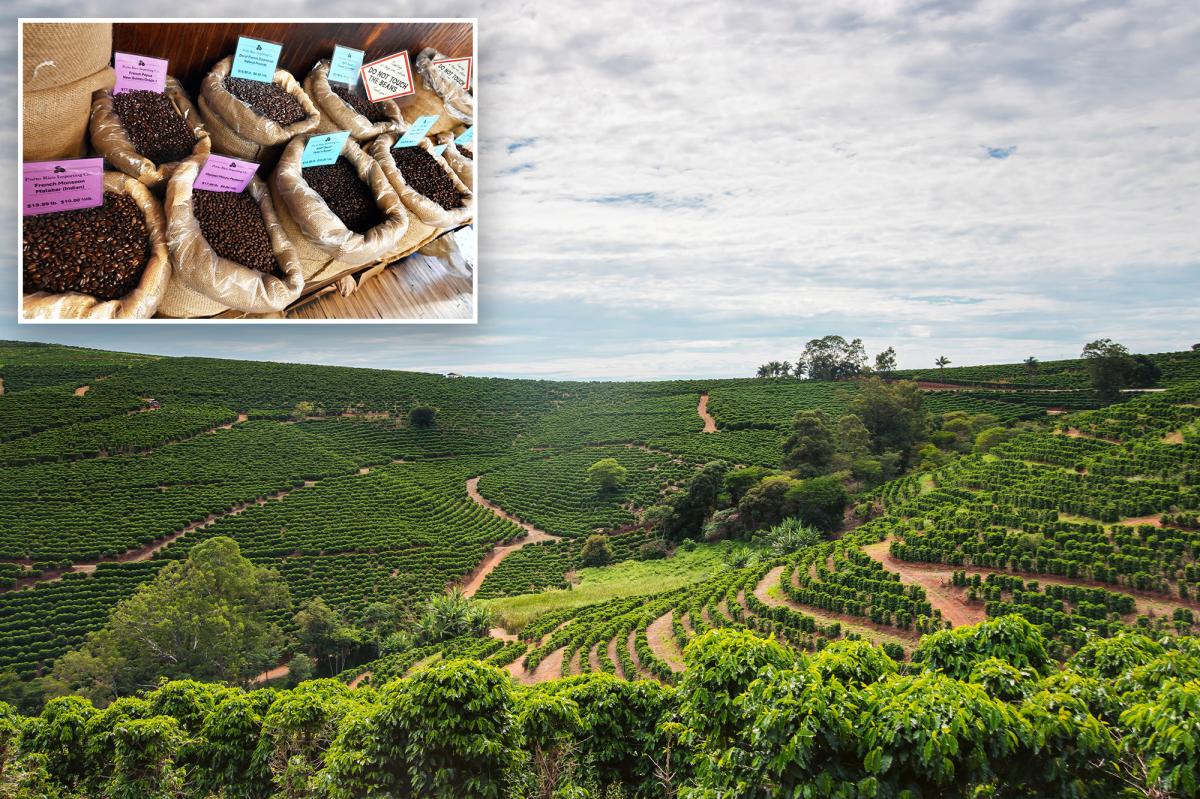
A storm of factors have collided to fuel those increases, with droughts in coffee producing powerhouse countries Brazil and Vietnam around 2024 leading to crop shortages that have fueled the chaos, according to the Wall Street Journal.
Then in July 2025 President Trump’s tariff war slapped a 40% tax on products from Brazil — the world’s largest coffee producer — causing further increases for importers in the US, who passed much of the costs on to consumers.
Making matters worse, according to the WSJ, hedge funds and commodities traders have been buying up coffee contracts as they made bets on the results of drought shortages and the tariff reactions.
That’s causing “roller coaster stupid” prices to reign, according to Emory University professor and pricing expert Peter Roberts.
The war in Iran has also caused another layer of uncertainty about prices as the full impacts of potential oil shortages begin to show on the global market.
All those twists and turns have left American coffee roasters and small coffee shops jittery.
They report struggling to keep up with huge corporate brands that can keep ahead of costs with huge bulk orders, or by hiring employees whose entire job is finding the best prices on the market.
“There’s too many variables for us to follow,” said Kansas-based Reverie Roasters owner Andrew Gough, explaining that he’s struggling to keep up with the market while managing the day-to-day of running a business.
“I’ve got to fix the toilet. I’ve got to do the broken doorknob,” he told the Journal.
Gough charged $15 for 12-oz of his popular coffee beans for years, but he was forced to increase the price to $17 last spring — and expects to increase it again to $18 in April.
“You always worry that if you raise your prices you are going to lose a customer,” Gough said.
But he’s had little choice — last year Gough found himself paying $4.30 per pound of unroasted coffee within months of paying $2.41.
That amounted to about $200,000 more in per year in annual operating costs.
Trump’s tariffs — which were struck down by the US Supreme Court in February — also ended up costing Gough more than $14,000 on their own.
And its not just the roasters who have been hurting — businesses as small as NYC food carts have been forced to up their prices as they deal with the coffee crises.
Aziz Changezi, an NYC coffee cart seller of 20 years, told The Post in February that his faithful 3-pound bucket of Kirkland Columbia coffee had spiked from $10 in 2020 to $22 this year – causing him to up increase prices by 50-cents.
“Everything’s more expensive,” Changezi said.
Read the full article here