




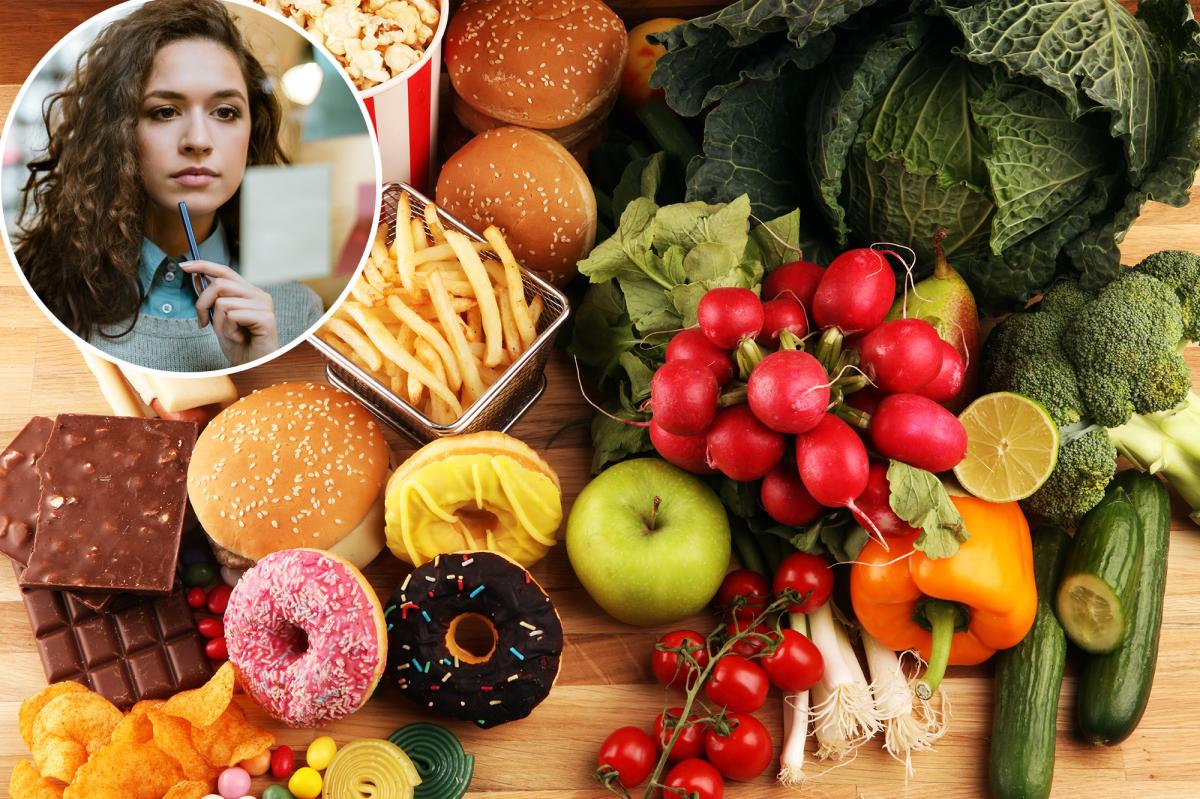
Here’s something to chew on.
Brains require nutrients from a variety of foods like fruits, vegetables, fatty fish, whole grains, nuts and seeds to function properly.
Even if you’re consuming these foods regularly, occasionally enjoying a cheat-day treat can still take a toll on the brain.
Popular foods full of sodium, refined sugars and cholesterol-spiking fats have been linked to a host of negative health effects.
Not only can ultra-processed foods (UPFs) mess with your memory, be alarmingly addictive and raise the risk of dementia, they can also affect attention span.
Published in Alzheimer’s & Dementia: Diagnosis, Assessment & Disease Monitoring, a new study reviewed the diets and cognitive health of more than 2,100 Australian dementia-free adults between the ages of 40 and 70.
Higher consumption of UPFs was linked to a significant and distinct drop in focus, even when participants followed a Mediterranean diet full of fruits, vegetables, whole grains and healthy fats the majority of the time.
Around 41% of the study participants’ daily calories came from UPFs, a number close to the Australian average of 42% and far less than the 60% Americans consume.
Even a 10% increase in high-fat foods — roughly equivalent to one bag of chips a day — alongside healthy eating patterns was linked to a lower ability to focus.
“In clinical terms, this translated to consistently lower scores on standardized cognitive tests measuring visual attention and processing speed,” lead author Barbara Cardoso said in a statement.
Cardoso’s team also saw an increased risk of dementia, which is no surprise since UPFs have been linked to several dementia risk factors, like Type 2 diabetes, high blood pressure and obesity.
These foods can promote inflammation, insulin resistance, poor blood flow and oxidative stress, all of which are bad for the brain.
The researchers believe that the manufacturing of these foods plays a large role in cognitive function.
“Food ultra-processing often destroys the natural structure of food and introduces potentially harmful substances like artificial additives or processing chemicals,” Cardoso explained.
“These additives suggest the link between diet and cognitive function extends beyond just missing out on foods known as healthy, pointing to mechanisms linked to the degree of food processing itself.”
Fatty snack foods and ready-to-eat meals may also affect the brain by delivering microplastics, as they’re in near-constant contact with plastic.
The disturbing amount of microplastics in UPFs has been linked to worse mental health, with a higher risk of depression, anxiety and poor sleep.
Read the full article here