



NEWYou can now listen to Fox News articles!
A sweeping new study of the Roman Empire’s vast road network is challenging the age-old saying, “All roads lead to Rome.”
The study, published Sept. 15 in the journal Nature Communications, analyzed roughly 190,000 miles of Roman roads spanning Europe, the Middle East and North Africa.
The team combined existing data to create a new map of the Roman Empire’s road network and analyze its structure on an empire-wide scale.
CONSTRUCTION WORKERS CLEARING OLD BOMBS UNEXPECTEDLY FIND ‘IMPORTANT’ ANCIENT SANCTUARY
The study’s lead researcher, Tom Brughmans, a classical archaeologist at Aarhus University in Denmark, and his colleagues found that Rome was not uniquely central to the empire’s road network, with provincial capitals playing key roles in overland travel.
Constantinople, now known as Istanbul, Turkey, emerged as a far more central hub for overland travel after Emperor Constantine made it the imperial capital in the fourth century A.D.
Constantinople’s location between Europe and Asia made it exceptionally central to travel across the empire, according to the researchers.
Therefore, the phrase “all roads lead to Rome” — coined centuries after the Roman Empire fell — may not reveal the whole story.
ANCIENT CLUE CRACKS OPEN A 2,000-YEAR-OLD MYSTERY NEAR FAMED COLOSSEUM
Brughmans told Fox News Digital that the proverb, which he described as medieval in origin, should not be taken literally — noting that none of the roads in Roman Britain actually led to Rome.
“Rome is the center of the empire. This is where power lies.”
“It is quite surprising how persistently this maxim has shaped popular understanding of Roman roads,” he said.
“It’s fair to say our study complicates the proverb,” Brughmans added. “I prefer to say, ‘All roads lead to Rome and everywhere else.'”
RARE PAGAN MASTERPIECE EMERGES NEAR WHERE ST PAUL SPREAD TEACHINGS OF CHRISTIANITY
Taco Terpstra, a professor of history and classics at Northwestern University in Illinois, told Fox News Digital the findings don’t diminish Rome’s importance as the center of the empire — nor do the study’s authors argue otherwise.
Terpstra, who was not involved in the research, noted that Constantinople “was only created as such in the fourth century.”

“Before that, it was a sleepy fishing town called Byzantium,” he said. “So, we have to be careful a little bit about what time period we’re looking at.”
He added, “But once Constantinople becomes de facto the capital of the empire, it is clear that it attracts a lot of overland connectivity.”
Rome did remain the center of political, military and ideological power for centuries, Terpstra said.
“Rome is the center of the empire. This is where power lies,” he said, noting that the empire’s second-largest city, Alexandria, dwarfed in comparison with roughly half Rome’s population.
“This is where the emperor is. This is where the Senate is. … [It was the] largest city in the empire, a million inhabitants.”
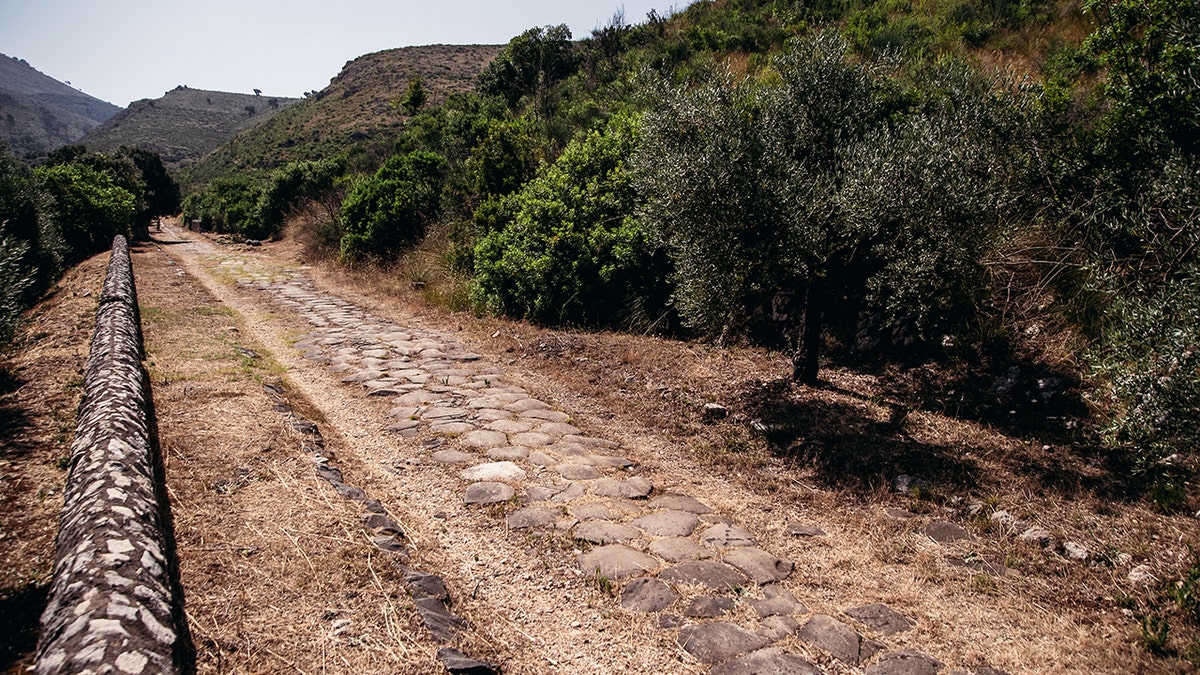
The study also examined another hallmark of Roman engineering: the remarkable straightness of its roads, though difficult terrain often forced routes to deviate from a direct path.
CLICK HERE FOR MORE LIFESTYLE NEWS
The roads were “about as straight as the Romans could make them” given the technology available at the time, Terpstra said.
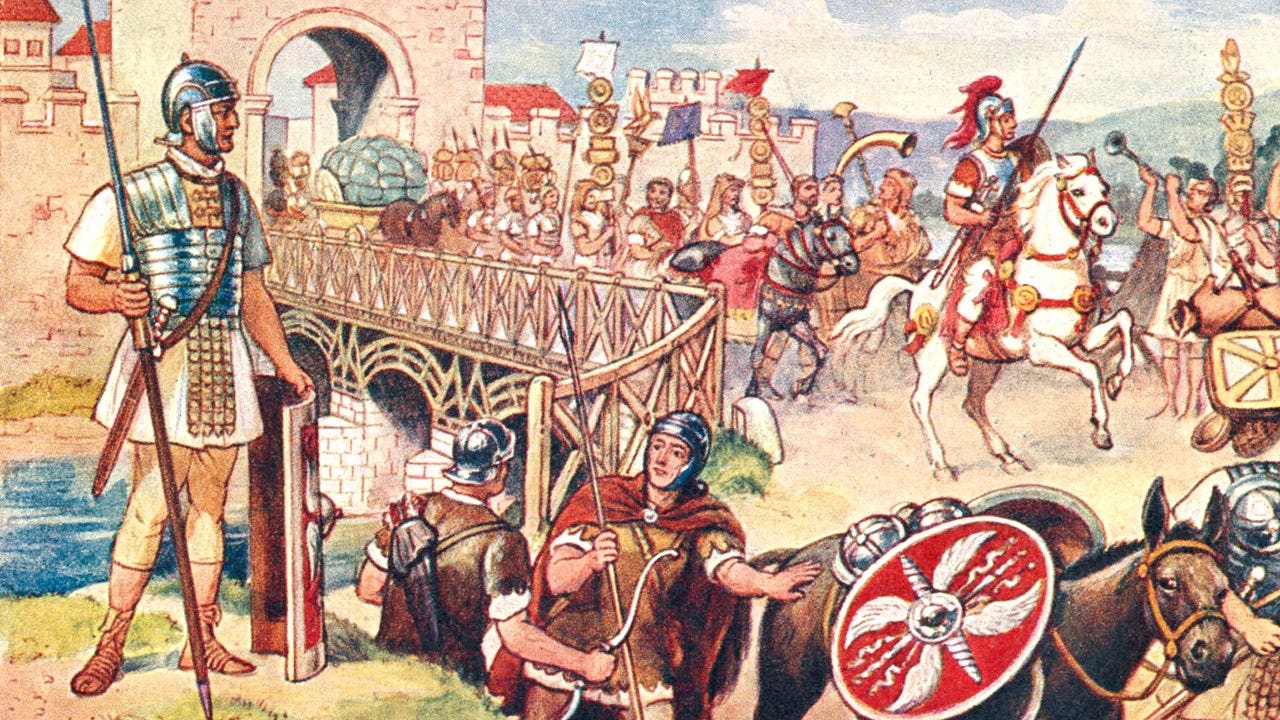
The roads initially served a military purpose, the professor added. They allowed troops to move quickly through conquered territory before also taking on an important economic role.
TEST YOURSELF WITH OUR LATEST LIFESTYLE QUIZ
“The roads in the first instance, and it’s often forgotten, were military infrastructure,” he said. “These were in the first place, after the conquest, intended to move troops quickly.”
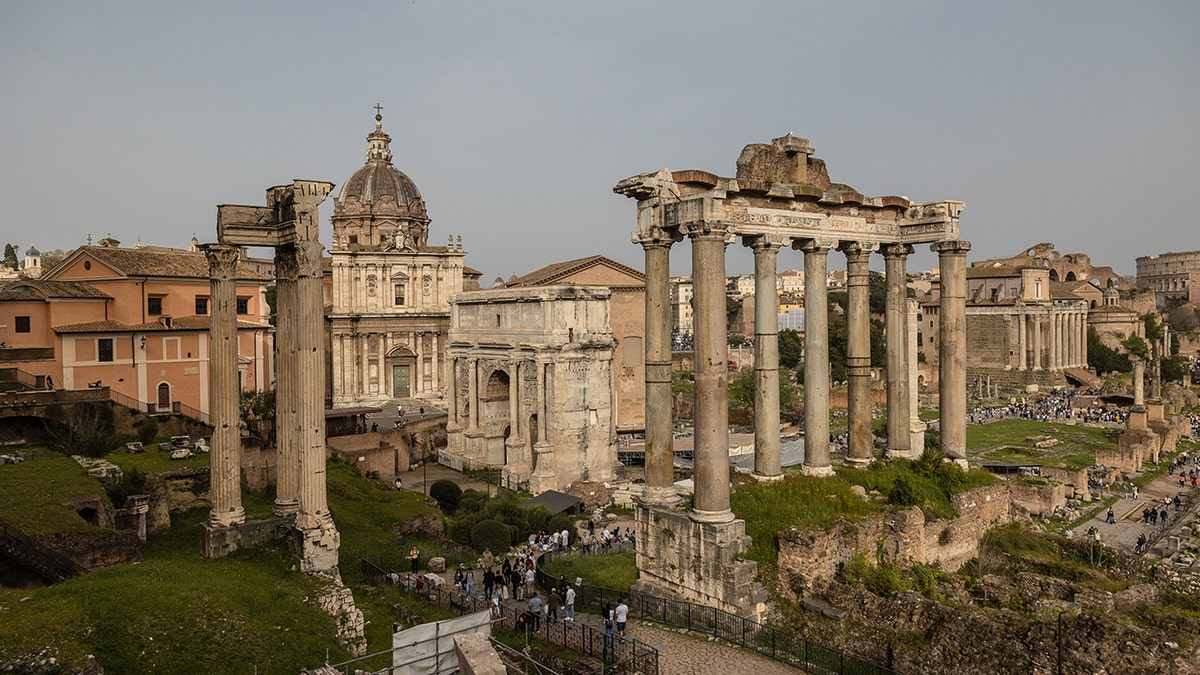
And although Roman roads have stood the test of time and remain a marvel of ancient engineering, Terpstra said they were secondary to maritime transportation across the empire — which was far cheaper when it came to transporting goods.
CLICK HERE TO DOWNLOAD THE FOX NEWS APP
“The main transportation network of the Roman Empire is maritime,” he said. “That is really where the major connectivity lies.”
Read the full article here