



Football fans heading to Monterrey for this summer’s FIFA World Cup can expect dramatic mountain backdrops, one of Mexico’s most modern football stadiums and some of the country’s best flame-grilled cuisine.
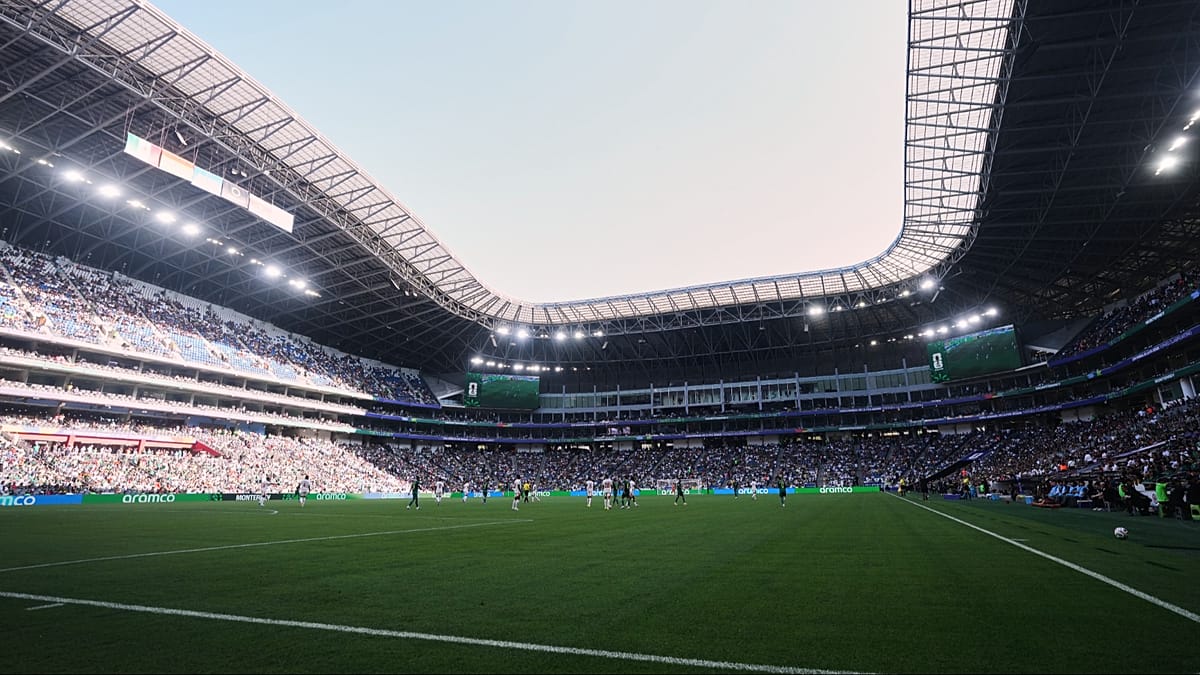
The industrial northern city is preparing to showcase its football passion and rugged beauty during the World Cup, with Estadio BBVA set to host matches beneath the towering Cerro de la Silla mountains.
Visitors should also prepare for intense summer heat, with temperatures in June and July regularly climbing above 38C. Hydration, sunscreen and lighter clothing will be essential for supporters exploring the city between matches.
Monterrey is also known for its warm hospitality, with locals often welcoming visiting football fans with enthusiasm and friendliness.
Residents demonstrated this during the intercontinental playoff, especially with Iraq, who qualified for the World Cup in that city.
World Cup fixtures in Monterrey
Monterrey will host four matches at the 2026 World Cup, with all games taking place at the Estadio BBVA, known during the tournament as Estadio Monterrey.
The city will stage three group-stage fixtures and one Round of 32 knockout match, featuring teams including Tunisia, Sweden, Japan, South Korea and South Africa.
The modern 53,500-capacity stadium, home to CF Monterrey, sits against the backdrop of the Cerro de la Silla mountains and is expected to be one of Mexico’s standout venues during the expanded 48-team tournament.
- 15 June 2026 – Group F: Sweden vs Tunisia
- 20 June 2026 – Group F: Tunisia vs Japan
- 25 June 2026 – Group A: South Korea vs South Africa
- 30 June 2026 – Round of 32: Group F Winner vs Group C Runner-up
Monterrey’s sporting culture
Football is at the heart of Monterrey’s culture with the city previously hosting matches during the 1986 FIFA World Cup.
Fierce rivals CF Monterrey and Tigres UANL dominate the sporting landscape, with derby matches between the two among the most passionate in Latin America.
Monterrey’s modern Estadio BBVA, home to Rayados, and the atmosphere of Estadio Universitario regularly host Liga MX, CONCACAF and international fixtures.
Beyond football, the city has staged major boxing events, baseball games and international sports tournaments.
Landmarks and places to see
The Macroplaza is one of the largest public squares in the world, serving as the central hub for the city’s most significant monuments. It is surrounded by major institutions like the Metropolitan Cathedral and the Government Palace.
For a change of pace, the Barrio Antiguo (Old Quarter) features cobblestone streets and colourful colonial-style mansions. This historic neighbourhood is the city’s cultural and bohemian centre, filled with art galleries, independent coffee shops and antique stores.
Food scene
Although it is now a common practice in almost the entire country, Monterrey is considered perhaps the first city to popularise the grill and carne asada – “grilled meat” – in particular.
Expect to find an abundance of asadores and steakhouses spotlighting the region’s signature cuts – rib-eye, arrachera and cabrito – alongside expanded street food offerings like tacos de trompo, gorditas campechanas and rich quesadillas stuffed with local cheeses.
Beyond meats, Monterrey’s dining scene is diversifying rapidly: craft breweries and cocktail bars are proliferating, and chefs are increasingly fusing Mexican staples with Asian, Mediterranean and southern US influences to create approachable yet inventive plates for visitors.
Fan zones
The official central hub for the 2026 World Cup in Monterrey will be in Parque Fundidora, a former steel foundry that has become a massive urban oasis and a testament to Monterrey’s industrial heritage. The park hosts the Paseo Santa Lucía, an artificial river offering scenic boat rides and walking paths.
Beyond the main park, the city created an 8km pedestrian route that connects downtown Monterrey straight to Estadio BBVA in Guadalupe.
The lively path will host street-food stalls, local performers and designated areas where supporters can drink, mingle and enjoy the matchday vibe.
Transport options
Board Line 1 and ride it to the Exposición terminal station. The station connects directly to a secure, dedicated pedestrian walkway leading straight into the stadium gates. Rideshare (Uber/DiDi) drivers can drop fans off at designated zones outside the security perimeter. Expect heavy traffic and surge pricing on matchdays.
Stadium tips
The stadium’s iconic steel structure can trap heat, so hydrate before entering. Also, if you have tickets in the East stand, you will face direct afternoon sun. Wear sunscreen, sunglasses and a hat. The West stand (Poniente) gets shade first.
Read the full article here