




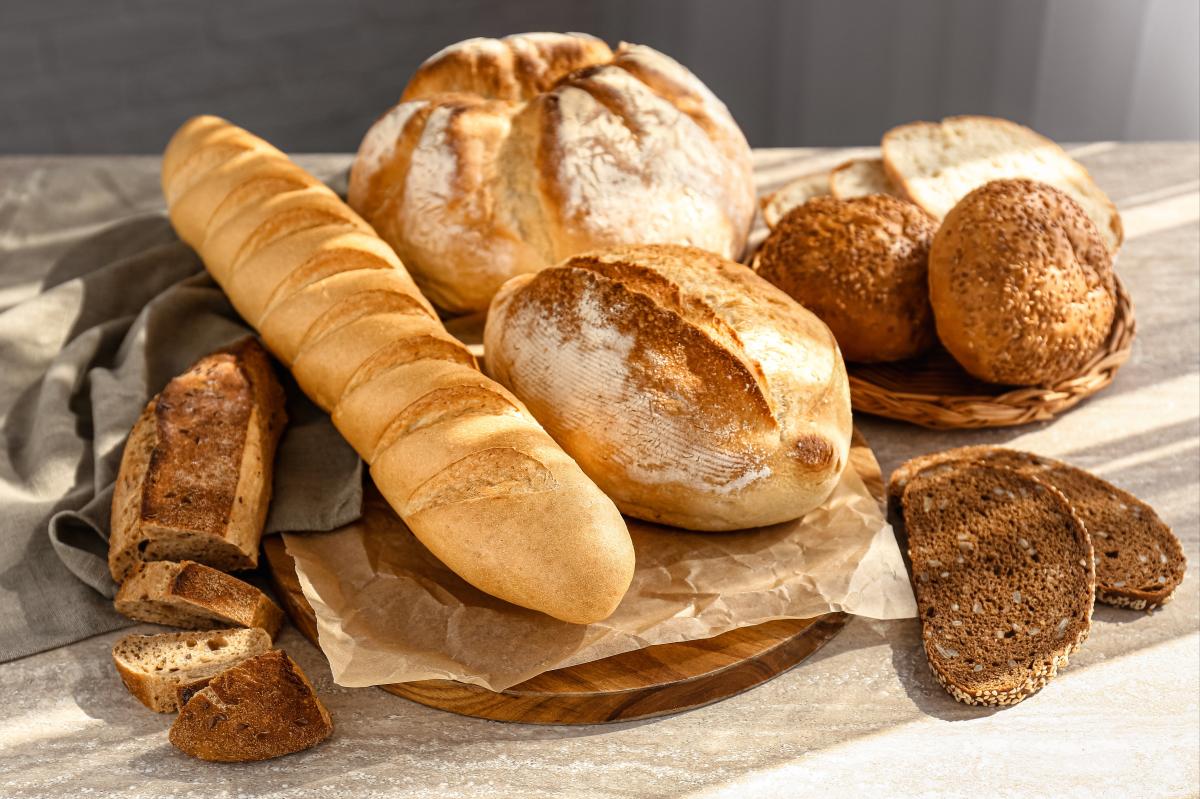
Not all bread is baked equally.
The popular carb source is a staple in many Americans’ diets. From toast in the morning to sandwiches for lunch, to baguettes at restaurant dinner tables, bread is virtually everywhere. However, some loaves are more nutritious than others.
If you’re looking to maintain a healthy diet that includes bread, it’s important to be mindful of the type of bread you’re keeping in your kitchen cabinet.
Emily Case, a registered dietitian at Northwell Health, revealed her top three tips for choosing the healthiest bread while speaking with The Post.
Tip #1: Size matters!
Chowing down on this beloved-yet-criticized carb doesn’t necessarily mean you’ll be packing on the calories.
While some health-conscious folks have given bread a bad rap, it can be part of a nutritious, well-rounded diet. When picking up a loaf at the grocery store, customers should keep size and portion control in mind.
“It’s easy to double your serving when it comes to bread!” Case said. “Many commercially available slices can provide anywhere from 120-140 calories each — which is effectively two servings in one.”
To avoid a calorie overload, Case recommends shoppers search for 100% whole wheat or 100% whole grain options that contain 80 calories or fewer per slice.
Tip #2: Look for low (or no) added sugar
Ingredients matter. Healthy breads contain low amounts of added sugar — or none at all.
Case warns that many companies add this sweetener to their bread to “improve taste, texture, and shelf life,” but excess sugar is both unhealthy and not needed.
Not sure how to find it? The dietitian suggests looking at the “added sugars” line on the nutrition label, further advising they stick to between zero and two grams of added sugar per slice.
“You don’t need unnecessary sweetness, and cutting down on hidden added sugars is a huge win for your health,” she said.
Tip #3: Maximize fiber and protein
Case once again points to 100% whole wheat and 100% whole grain bread options in order to maximize fiber and protein intake.
She dietitian recommends that people look for loaves that contain at least three to five grams of fiber and three to five grams of protein per slice.
“Together, they slow digestion, help stabilize blood sugar, contribute to satiety, and prevent energy crashes,” Case says of fiber and protein.
“Breads made with whole, sprouted grains typically offer a more nutrient-dense and satisfying option,” she continues.
Case says that if you follow her three tips, “you’ll transform your bread choice from a simple carb source into a choice you can feel good about!”
Read the full article here