



Published on
In 2010, a project was launched on Andros that radically changed the Greek island’s cultural and tourism identity. It was an initiative that had nothing to do with beaches, sun or sea.
On the initiative of the non-profit organisation Andros Research Centre, Andros Routes was born.
The island’s trails came to life and became a destination for thousands of people from all over the world.
“A web that initiates us into the rich natural and cultural heritage of Andros and at the same time provides important infrastructure for aware visitors, for hiking tourism that has significantly extended Andros’s tourist season so that it now includes both spring and autumn,” Olga Karagianni, Coordinator of the Centre for Contemporary Research & Action on Andros, told Euronews.
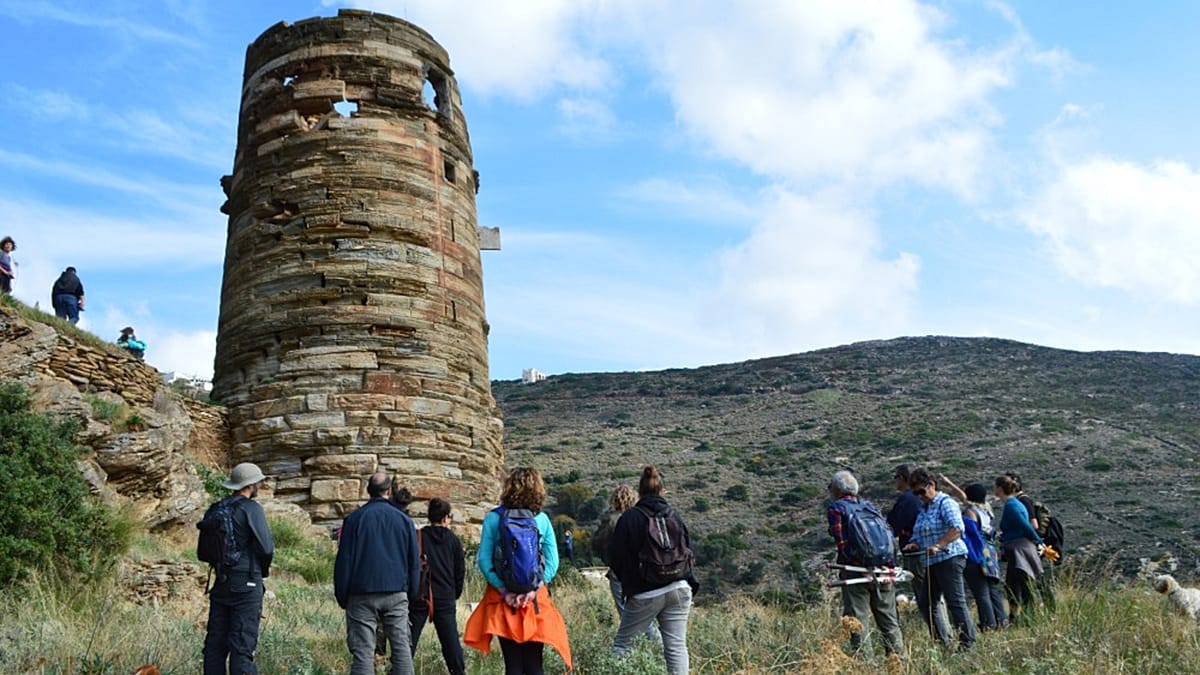
The trails connect traditional settlements, historic monasteries and lush ravines. Although some residents were initially sceptical, they soon realised how beneficial it was for the island, and the local community embraced the project.
“This infrastructure gives a significant boost to the local economy; I would say it particularly supports residents of isolated villages,” Karagianni estimates. “So it also contributes to supporting the more remote areas of the island.”
The trails are systematically maintained and cleared thanks to the efforts of the volunteer team of Andros Routes. The island is the first to have received the European “Leading Quality Trails – Best of Europe” certification for its network.
“It attracts visitors who are sensitised and who care about the island’s nature and culture and behave accordingly. The environmental aspect has to do with showcasing and safeguarding Andros’s rural landscape, which is a very important resource for both the present and the future of the island,” Karagianni argues.
Apostolos Staikos, Euronews special correspondent on Andros, reports: “The island has more than 200 springs with crystal-clear water and a network of trails that stretches to almost 240 kilometres.
“The hikers who mainly come in spring and autumn help to lengthen the tourist season and to highlight the history of the villages, the farmers and the livestock breeders who lived in the mountains.”
Read the full article here