



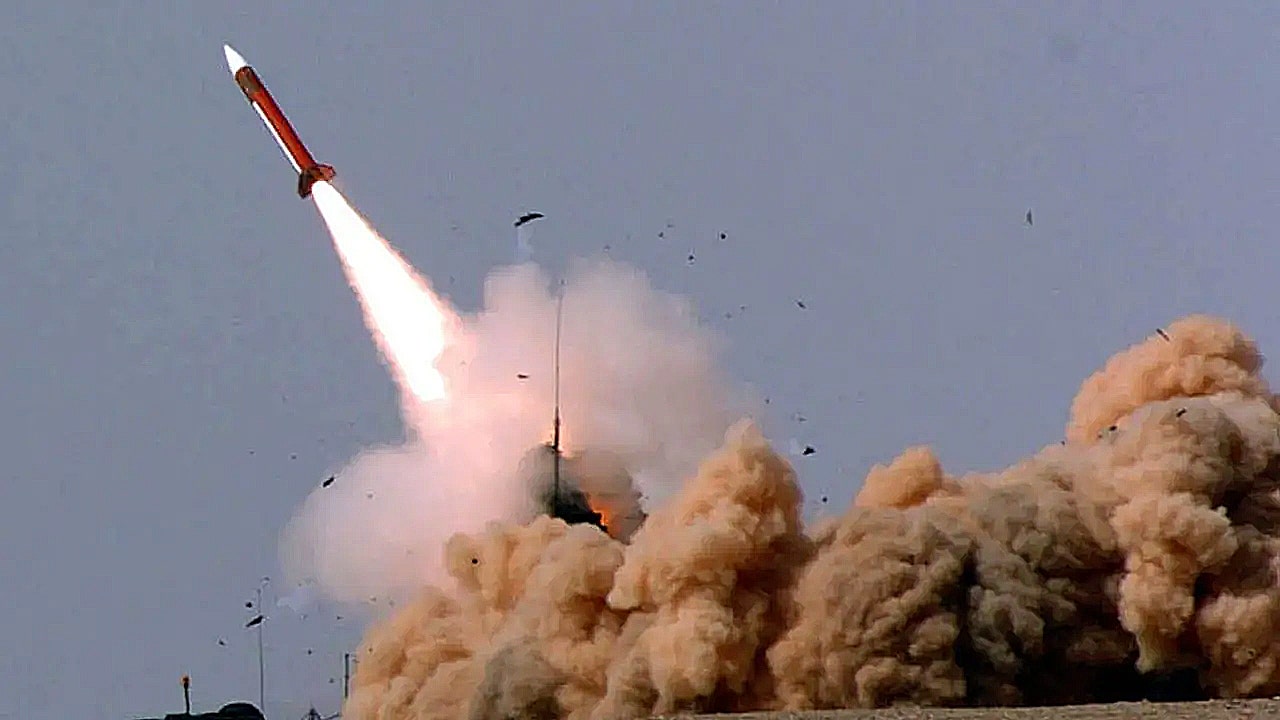
NEWYou can now listen to Fox News articles!
The Trump administration is rejecting concerns that the war with Iran has left the U.S. low on some of its most advanced long-range missiles, after a report found the Army burned through “virtually all” of its stocks of two of its primary long-range precision weapons.
The Army has used “virtually all” of its inventories of Army Tactical Missile Systems (ATACMS) and Precision Strike Missiles (PrSM) during the five-month conflict with Iran, Reuters, citing people familiar with internal U.S. military data, reported Tuesday. Officials fear the drawdown could complicate the military’s ability to respond to future crises involving adversaries such as China and Russia, according to the report.
The White House disputed any suggestion the U.S. military lacks the weapons needed to carry out its missions.
WEAPONS STOCKPILE SHORTAGES IMPACTING MILITARY STRATEGY IN THE MIDEAST
“We have far more munitions than anyone in the world, and far more than we need, despite the fact that an unprecedented amount was given away by Crooked Joe Biden and the Biden Administration to Ukraine and Europe at no cost, in one of many of their extremely dumb moves,” President Donald Trump said in a statement provided to Fox News Digital.
“Our defense companies are, at this moment, making more munitions than they have ever made before, in addition to expanding their plants and equipment at record levels. And as we build up, we will start issuing more to our allies in Europe and elsewhere.”
If accurate, the report underscores a longstanding Pentagon concern: America’s most sophisticated precision weapons can be expended in months but often take years to replace.
Reuters also reported that the conflict significantly reduced inventories of Patriot and THAAD missile interceptors, along with Tomahawk cruise missiles, though the Pentagon has maintained the U.S. military retains the capabilities needed to carry out operations worldwide.
HEGSETH DISMISSES ‘FOOLISH’ US STOCKPILE CONCERNS AS IRAN CONFLICT TESTS MUNITIONS
Exact U.S. weapons stockpile figures remain classified for national security reasons.
The Pentagon also pushed back on the reporting. “America’s military is the most powerful in the world and has everything it needs to execute at the time and place of the President’s choosing. We have executed multiple successful operations across combatant commands while ensuring the U.S. military possesses a deep arsenal of capabilities to protect our people and our interests,” chief spokesman Sean Parnell said in a statement.
Independent analysts have also warned that months of combat have strained U.S. inventories of high-end munitions. The Center for Strategic and International Studies estimated last week that the U.S. had expended roughly 65% of its Patriot interceptor stockpile and that inventories of THAAD interceptors had fallen by at least 38% since the start of the Iran conflict, based on open-source analysis and budget data. Reuters reported Tuesday that its sources said those figures broadly aligned with internal U.S. data.
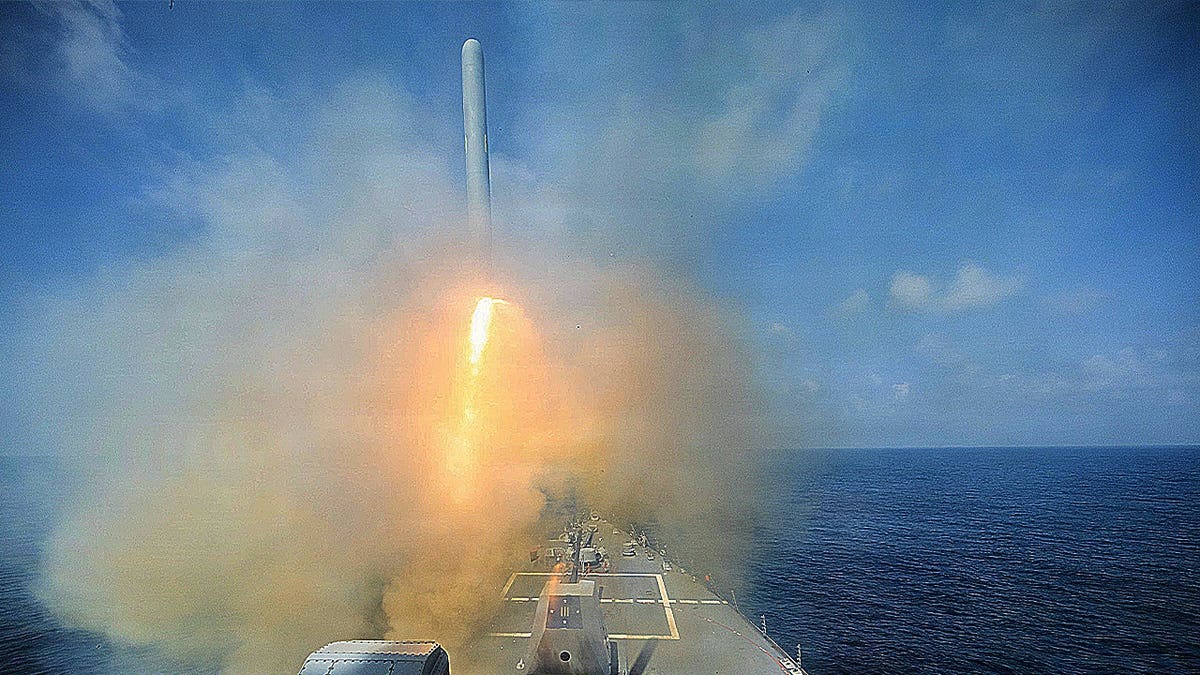
ATACMS and the newer Precision Strike Missile are among the Army’s premier long-range precision strike weapons, capable of striking targets hundreds of miles away without putting pilots in harm’s way.
ARMY CUTS HELICOPTERS, PUSHES ‘AMAZON FOR WAR’ AS DRONE COMBAT RESHAPES MILITARY
Military planners consider them particularly valuable against heavily defended adversaries because they can destroy command posts, air defenses, logistics hubs and other high-value targets from beyond many enemy air-defense systems.
Patriot and THAAD serve a different mission. Rather than striking enemy targets, they defend U.S. forces and allies by intercepting incoming ballistic missiles, while Tomahawk cruise missiles allow the Navy to conduct long-range strikes from ships and submarines.
The report comes as Pentagon leaders have increasingly warned about the challenge of sustaining prolonged, high-intensity conflicts against major powers while replenishing advanced weapons consumed in combat.
That concern has accelerated efforts to pair expensive precision missiles with far larger numbers of lower-cost, “attritable” drones and autonomous systems that can be produced rapidly and fielded at scale. Officials argue the approach would allow commanders to reserve million-dollar precision weapons for the highest-value targets while relying on less expensive systems for surveillance, electronic warfare and many strike missions.
Military leaders caution, however, that inexpensive drones are not a replacement for long-range precision missiles such as ATACMS and PrSM. Those weapons remain essential for striking hardened command centers, air-defense batteries and other heavily defended targets at distances many lower-cost drones cannot yet reach or survive.
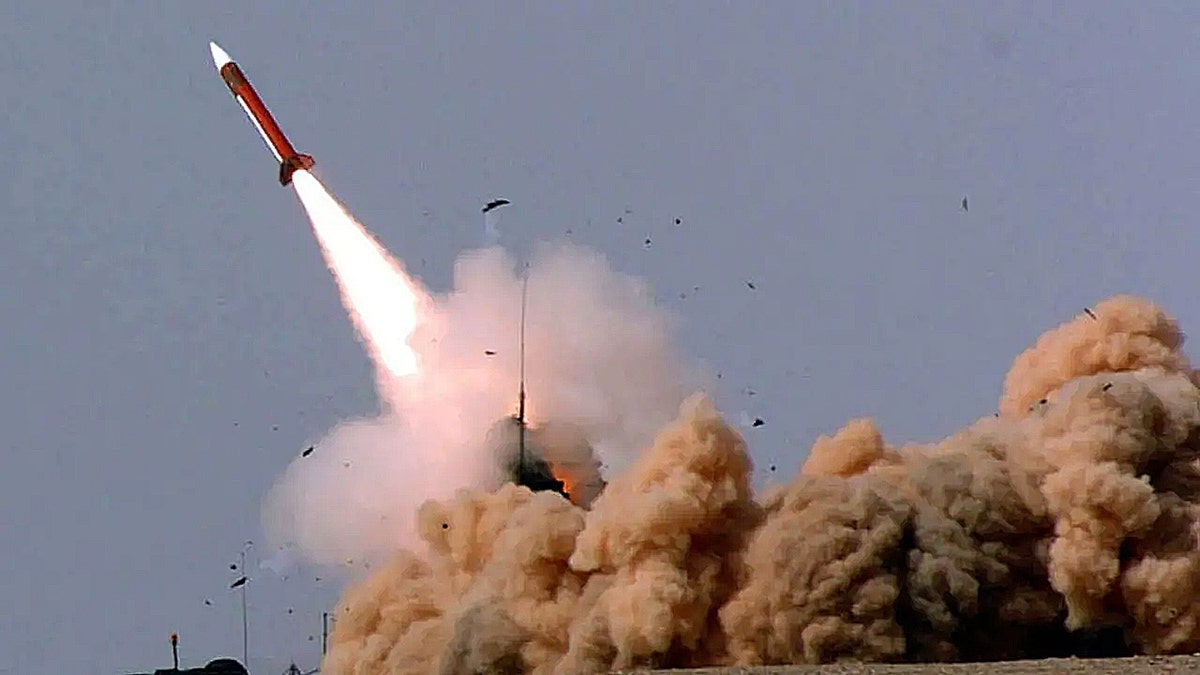
Trump has met repeatedly with executives from the nation’s largest defense contractors, pressing them to accelerate production and expand manufacturing capacity as conflicts in Iran and Ukraine strain U.S. stockpiles.
Following a White House meeting in March, Trump said the companies had agreed to quadruple production of what he called “Exquisite Class Weaponry,” including some of the military’s most advanced missile systems. At a second meeting in June and again at a defense summit in July, the president urged industry leaders to move faster, telling executives, “We have the best quality in the world, but we need a little more speed.”
CLICK HERE TO DOWNLOAD THE FOX NEWS APP
The production push is also reflected in the administration’s budget priorities. Trump’s proposed $1.5 trillion defense budget would more than triple spending on drones and autonomous systems while boosting investment in munitions production, missile defense and Tomahawk cruise missile procurement.
Read the full article here