



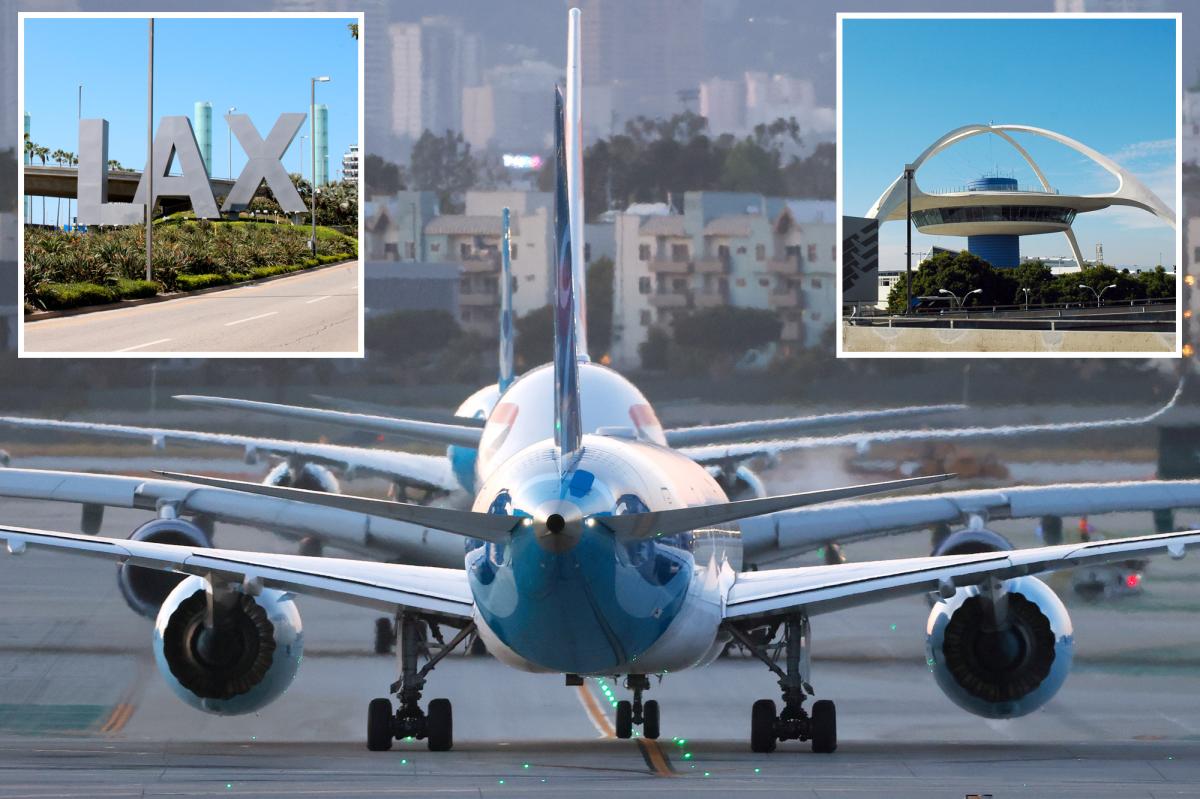
A low-cost transatlantic carrier is hitting the brakes on Los Angeles service, citing soaring fuel prices that are shaking the aviation industry.
Norse Atlantic Airways has scrapped all flights from LAX for the upcoming summer season, a move tied to rising jet fuel costs linked to the ongoing conflict involving Iran.
The airline confirmed to KTLA it has removed routes connecting LAX to major European hubs, including London, Gatwick, Paris Charles de Gaulle and Rome Fiumicino.
Passengers began sounding the alarm online after receiving sudden cancellation notices.
One traveler shared an email to Yahoo stating: “We regret to inform you that your flight from Los Angeles to London on June 28, 2026, has been canceled. The disruption is caused by an extraordinary surge in oil prices, followed by unpredictable fuel supply constraints across the aviation industry beyond our control. As a result, we are unable to operate this route in a responsible and sustainable manner.”
The airline’s decision to eliminate all LAX departures for the summer schedule, signaling a major retreat from the West Coast market.
Industry outlet AviacionOnline noted Norse is shifting its focus to more stable routes, concentrating on East Coast operations such as JFK (New York) and MCO (Orlando), along with long-haul flights to Bangkok and Cape Town, destinations that have held up better amid cost pressures.
The abrupt exit leaves a gap in the budget travel space in Southern California, as United and Delta have both warned of higher costs for travelers in high-demand hubs like Los Angeles.
The development echoes earlier concerns about the airline’s reliability. Months ago, a traveler weighing a Norse booking for a June trip was advised against it due to added fees and the risk of cancellations.
That decision paid off, he opted for British Airways and is now avoiding the scramble for replacement flights as prices surge.
For those impacted, Norse is offering three options: rebooking on a different date, a travel credit worth the full ticket price plus 25%, or a full refund.
Given the uncertainty surrounding smaller carriers in the current climate, taking the refund may be the safest bet.
Read the full article here