
It was the modern version of an indecent proposal.
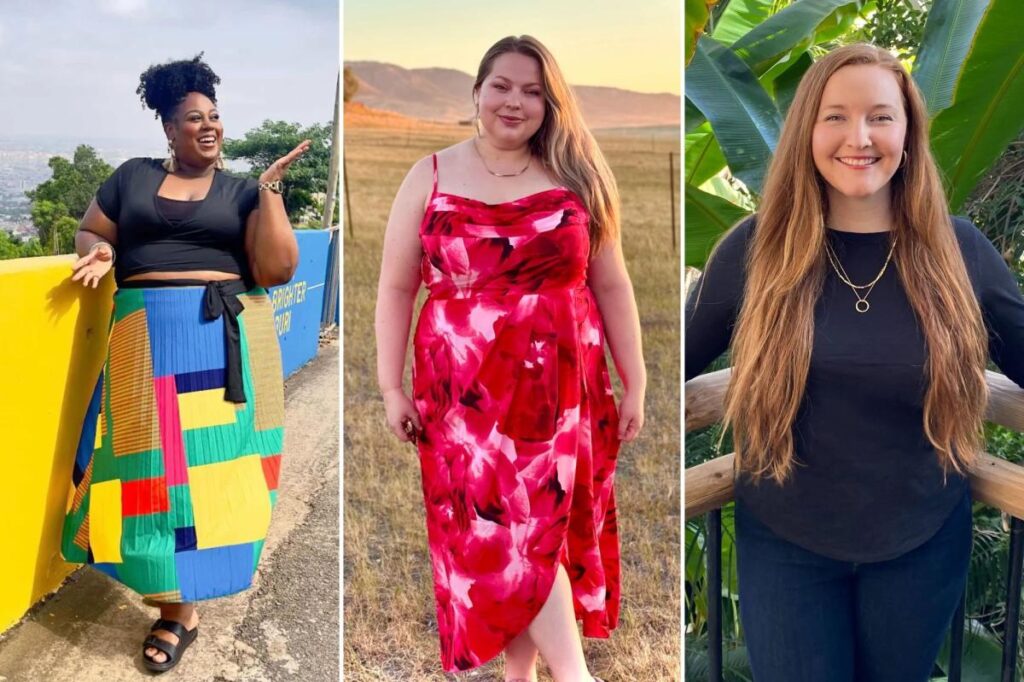
Shaylee Meurer, a 36-year-old plus-size influencer, once received a shocking offer from a major pharmacy brand: Take a popular GLP-1 drug for free, post about it on social media and reap a $7,000 reward.
The big-time bid came at a vulnerable time for the content creator, then a newly single mom in Colorado who gig-hopped between Uber and DoorDash, even making plasma donations to support her growing kids and aging grandmother.
But though she was strapped for cash, Meurer — who is 5’5” and 240 lbs. and considered obese by medical standards — couldn’t stomach the idea of promoting a GLP-1.
“It would be wrong of me to accept something financially when I don’t believe in that for myself,” she told The Post, having turned down around 30 similar offers.
Meurer is a GLP-1 denier, part of a growing and vocal set of women at odds with America’s great shrink-down, which has led 11% of U.S. adults to reach for a GLP-1, according to Gallup.
These women are considered “ideal” candidates for weight loss drugs due to their high BMIs or early diabetes diagnoses. But despite insurance footing the bill, they refuse treatment — even when doctors insist it could save their lives.
Some, like Meurer, cite their juicy figure as part of their personal identity.
“I’m happy with the way my body looks right now,” Meurer told The Post, adding that after a multiple sclerosis diagnosis and a lifelong struggle with disordered eating, she’s chosen to honor her body through healthy movement and food.
“I use words like ‘fat’ all the time, and I don’t find it offensive in any way. It’s just a descriptor.”
Other GLP-1 deniers are nervous that the medical science doesn’t add up.
At 5’2” and 193 pounds, Massachusetts resident Caitlin Bricker wants to lose the 60 lbs. she put on through the pandemic and pregnancy. But her “medical anxiety” around being an Ozempic guinea pig trumps her desire for a slim win.
Bricker told The Post that pressure from friends, family, and random Instagram commenters can feel overwhelming.
“I’ve felt a sense of entitlement from other people to encourage me to take a GLP-1,” she explained.
But when her father landed in the hospital after taking Wegovy earlier this year, it “scared the sh*t” out of the 36-year-old — especially when his surgeon deduced that his life-threatening diverticulitis may have been tied to his GLP-1 use.
Determined to drop pounds without the drug, Bricker to start a new Instagram series called “Day X of proving to myself that I can lose weight without a GLP-1.”
So far, she is down 10 pounds through a combination of cardio, strength training, and Pilates.
Even with the literal sweat equity, Bricker says it’s “frustrating” that her doctors and her friends continue to push GLP-1s.
“I’m genuinely very happy for the people that it’s working for, so I would like the same perspective given to me on why I don’t want to take it,” she told The Post. The “peer pressure,” she says, is worse than anything she experienced as a teen.
Once nearly 400 lbs., Jalisa Miller has been “medically overweight” since kindergarten.
As a nurse in San Antonio, she was intrigued when her diabetes patients began using GLP-1s like Ozempic and Mounjaro — especially once she received her own diabetes diagnosis in 2024.
Miller got her own prescription from her doctor, but grappled with constipation and headaches from the lack of nutrients hitting her bloodstream. Miller said the lack of food made it feel like she was “dragging through the day” — a dangerous state for a medical pro.
Rattled by the experience, Miller began doing research on how GLP-1 hormones move through the body. She became “fascinated” by how drugs like Ozempic simulate the feeling of being “full,” prompting the pancreas to release insulin into the bloodstream.
Miller realized that Ozempic was mimicking the “I’m not hungry” feelings that she’d been trying to conquer for her entire life.
The nurse became increasingly convinced that if she could just tackle the emotional root of her eating, she could achieve the same results as a weight-loss jab without the brain freezes and mood swings.
Therapy — not a needle — was the real way to manage her body.
“There were a lot of factors that went into why I’d always struggled with my weight and why it was so hard for me to stick to something that was successful in the long-term,” Miller told The Post.
Among the culprits: Growing up in a lower-income household where processed foods were often the most readily available, plus a penchant for crash-dieting sparked by the frenzied thin-is-in culture of Y2K.
“Now that I’m doing the work [in therapy], I’m seeing the progress — the mental transformation that’s leading to the weight loss naturally,” Miller continued, adding that she “invited God into [her] healing and weight loss journey in May of this year.”
She has since lost 30 pounds.
To supplement her mental and emotional workouts, Miller uses the “16:8 fasting method” — fasting for 16 hours, then eating within an eight-hour window. She also does 45 minutes of daily cardio like treadmill running or power-walking and weight-trains three times a week, aiming to reach a 200-pound goal weight.
Does Miller regret trying a GLP-1 on for size? “No,” she said — but also, she vowed that she’ll “never” get back on one, even as pressure from friends, colleagues, and the internet continues to push for an invasive solution.
“My personal belief is that if you want success with weight loss, understand why you have weight,” said Miller.
“What is it about your mind, your lifestyle, your body, your genetics that is causing you to have this weight? Is it something that you can control or change? And if it’s something that you can change, why not unpack the root of it?”
“That’s just who I am as a person — I believe in getting to the root of things,” she continued. “I don’t believe in putting Band-Aids over a problem.”
Or putting needles into them, either.
Read the full article here