
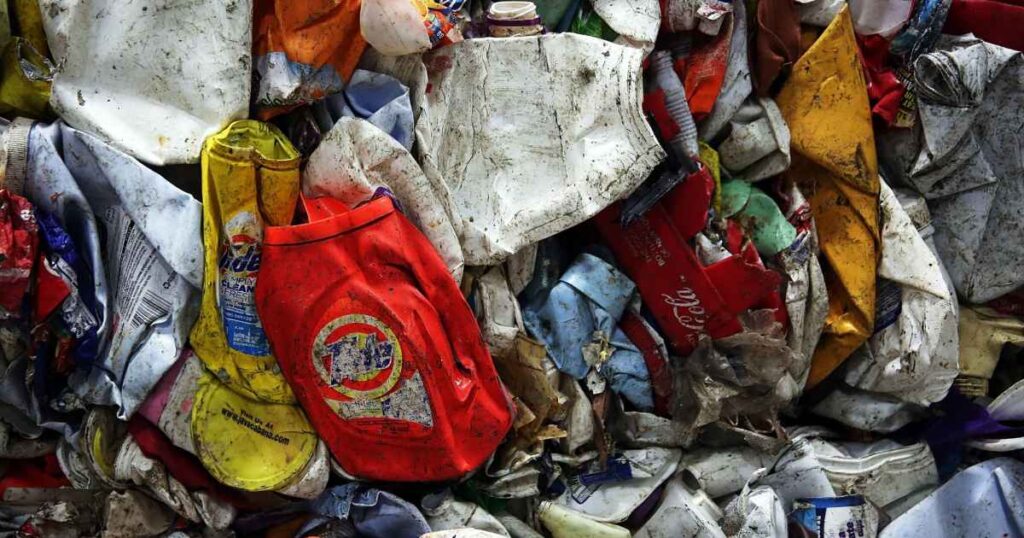
Most people toss their empty laundry detergent container into the recycling bin without thinking twice. It’s plastic, it has a recycling symbol on it, so it should get recycled. Right?
Not necessarily. Being accepted for plastic recycling doesn’t mean a container actually gets turned into something new. According to the EPA’s most recent national waste data, only 13.6 percent of plastic containers and packaging were recycled. Another 16.9 percent were burned for energy recovery. More than 69% ended up in landfills.
Those numbers raise an uncomfortable question: if most plastic packaging isn’t getting recycled anyway, does it matter how carefully you sort your bin? It does. But if you’re serious about how to reduce plastic waste, what you buy may matter even more than how you recycle it.
Americans Buy Hundreds of Millions of Laundry Detergent Jugs Every Year
The scale of the problem starts with how much plastic is flowing through laundry rooms in the first place. Americans purchase more than 680 million bottles of liquid laundry detergent annually, according to a 2022 estimate from Seventh Generation. The brand has since announced a goal of discontinuing its large-format liquid laundry bottles by 2030.
Most of those jugs are made from high-density polyethylene, commonly identified by the No. 2 recycling symbol, per the U.S. Department of Energy. It’s the same type of plastic used for milk jugs and is one of the most widely accepted materials in curbside recycling programs.
But widely accepted doesn’t mean widely recycled. According to the U.S. Plastics Pact, only 34.2 percent of colored HDPE bottles were recycled in 2019. That means nearly two-thirds of the type of plastic used in many detergent jugs never made it back into circulation.
So even though HDPE recycling is technically possible and your local program probably accepts it, the gap between what goes into the bin and what actually gets reprocessed is enormous. With hundreds of millions of bottles purchased each year, that gap adds up fast.
Why So Much Recyclable Plastic Still Ends Up in Landfills
If detergent jugs are made from recyclable plastic, why aren’t more of them actually recycled? The answer involves economics, infrastructure and contamination.
For years, the U.S. shipped large volumes of plastic scrap overseas, much of it to China. Then China’s “National Sword” policy banned most plastic-scrap imports starting in 2018, cutting its intake by 99 percent. U.S. plastic-scrap exports dropped from about 2.3 million tons in 2015 to just 0.6 million tons by 2020, according to the EPA. That left domestic recyclers with far more material than they could handle.
There’s also a cost problem. Collecting, sorting, cleaning and reprocessing recyclable plastic can cost more than manufacturing virgin plastic from new raw materials. That undercuts the financial incentive to buy recycled material in the first place.
“Plastic recycling is poised for significant growth as a proven solution to reduce plastic waste and strengthen domestic manufacturing, but today’s marketplace continues to favor low-cost virgin plastic over recycled materials,” APR President and CEO Steve Alexander said in a statement.
Then there’s contamination. Recycling works best when bins contain only materials a local program can process. When non-recyclable items get mixed in, they can compromise otherwise good material. The EPA warns that contamination can cause recyclable items to be rejected, and in some cases an entire load may be diverted to a landfill.
That means a laundry detergent container can be fully recyclable, placed in the correct bin and still end up in the trash if it’s collected alongside too many items that don’t belong.
How to Reduce Plastic Use From Your Laundry Detergent
Knowing how to recycle matters. But for anyone wondering how to reduce plastic use in a more meaningful way, the bigger lever is reducing how much plastic comes through the door.
- Choose packaging with less plastic. Laundry detergent sheets and many powdered detergents come in cardboard, which has a significantly higher recycling rate than plastic.
- Reuse what you already have. Some stores and brands offer refill programs that let you top off an existing container instead of buying a new one.
- Go concentrated. Concentrated formulas use less water, which means manufacturers can fit more loads into a smaller bottle and less plastic per load.
- Follow dosing instructions. Using more detergent than needed means going through bottles faster, which means more plastic in the bin. Getting the dose right stretches each container further.
- Recycle correctly. Check what your local program accepts and follow its preparation guidelines. Keeping non-recyclable items out of the bin helps prevent the kind of contamination that sends good material to a landfill.
Recycling your empty detergent jug is still worth doing. But if you’re looking for a more direct way to cut your household’s plastic footprint, bringing home fewer jugs in the first place may be the environmentally friendly laundry detergent move that makes the biggest difference.
Read the full article here