



Wellness retreats featuring spa treatments and yoga classes have long attracted travelers.
But now a new trend is emerging: psychedelic retreats.
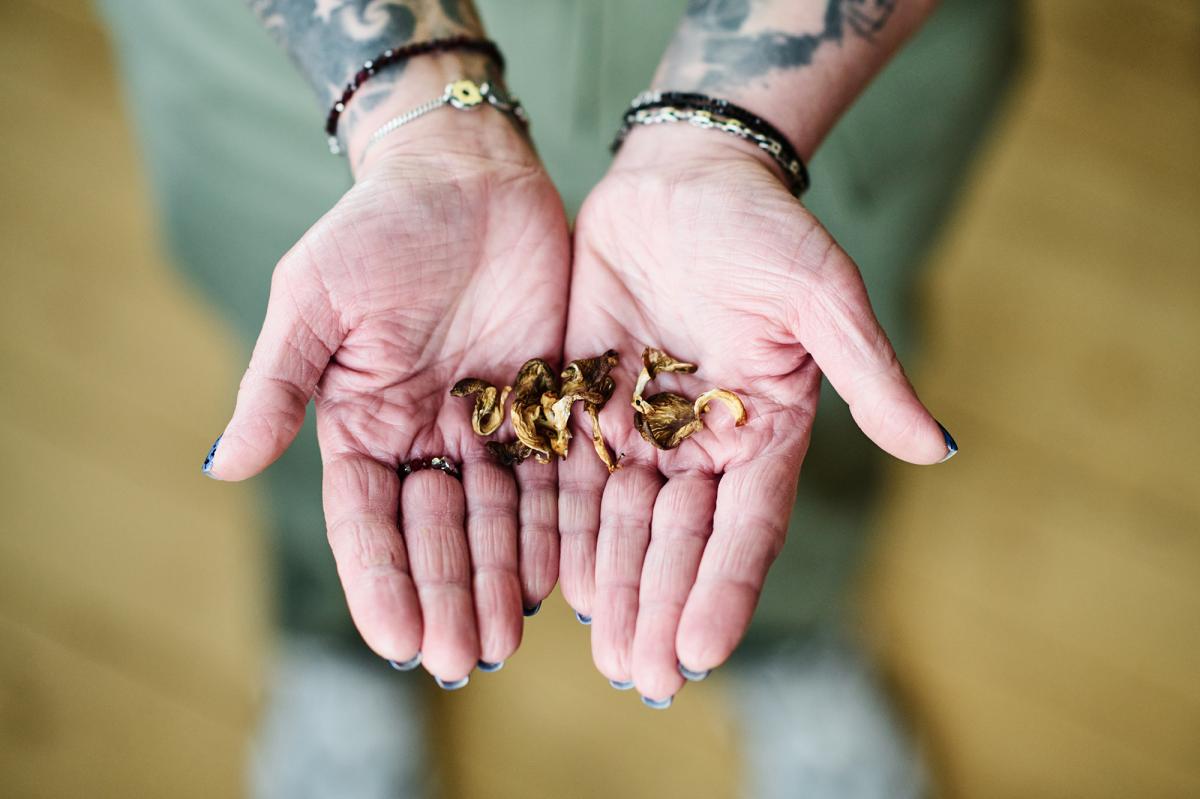
These retreats are often structured travel experiences in which participants use psychedelic substances such as psilocybin (magic mushrooms), ayahuasca, or other plant-based medicines.
Hadas Alterman, a psychedelic medicine attorney in Washington, D.C., told Fox News Digital she’s seen a rise in the popularity of these retreats.
“This paradigm could signal that the hard line between ‘clinical intervention’ and all other uses — spiritual, personal growth, recreational — is giving way to a spectrum, where psychedelics serve people who aren’t in crisis but aren’t merely thrill-seeking either,” she said.
The retreats are usually led by facilitators, shamans, or therapists.
They take place in destinations in which certain substances are legal or culturally accepted.
“Legality varies wildly across the globe: Psilocybin truffles are sold in the Netherlands, ayahuasca is protected cultural heritage in Peru, and Jamaica has no restrictions on psilocybin,” said Alterman.
“Popular retreats operate in these permissive countries as well as in Oregon and Colorado, where supervised psilocybin use is now legal under state law,” she added.
Celebrities and athletes have hopped on the trend — with NFL star Aaron Rodgers even attending a few psychedelic retreats in South America and Costa Rica.
Speaking at the Psychedelic Science 2023 Conference in Colorado, Rodgers, who has credited ayahuasca with helping him with his MVP Awards in 2020 and 2021, was enthusiastic about his experiences.
“We have the opportunity to change the conversation by dispelling these archaic myths about the dangers of them or the negative side effects or whatever might be and start to share the actual wisdom and truth about it,” said Rodgers, as the New York Post reported.
“I think that’s how we move this conversation forward … More people [need] to be out there [and] comfortable talking about their own journeys. Their spiritual journey, their medicine journey, their ceremonies. So we can bring this to people who need it,” he also said.
A report published in JAMA Psychiatry, entitled “Essentials of Informed Consent to Psychedelic Medicine,” relayed concern about the use of psychedelics.
“Psychedelics have unique properties that complicate the informed consent process. They often produce intense subjective experiences that are difficult to explain, predict, or comprehend, especially for psychedelic-naive individuals,” the authors wrote in the 2024 report.
The report added that patients may not truly understand what they’re agreeing to when using psychedelics, and that there are seven risks involved.
Researchers say the risks are “the possibility of short- and long-term perceptual disturbances, potential personality changes and altered metaphysical beliefs, the limited role of reassuring physical touch, the potential for patient abuse or coercion, the role and risks of data collection, relevant practitioner disclosures, and interactive patient education and comprehension assessment.”
The authors added, “These effects can include profound perceptual changes or hallucinations, mood disturbances, paranoia, and an altered sense of self and reality.”
Tom Feegel, founder and CEO of Beond — an ibogaine treatment clinic network focused on addiction, PTSD, depression, and anxiety, primarily in Mexico — told Fox News Digital that retreats have grown in popularity as people search for treatments that work for them.
“What’s emerging is a fully licensed and medically supervised approach to help the brain and body create lasting change — delivered by physicians and nurses in a way that feels both rigorous and deeply human,” he said.
“Mental health is now core to how people think about performance, relationships, and longevity,” he said. “There’s a growing openness to approaches that don’t just maintain the status quo, but help people actually move forward. People no longer want to ‘numb’ or manage symptoms with medication — they want real, lasting change.”
San Francisco Bay area-based Feegel said demand is increasing for something that can “create meaningful, durable change, ranging from people who haven’t found satisfactory relief in conventional care to high-performing individuals and professionals focused on optimization.”
Feegel said the wellness trend represents a shift “from managing symptoms to restoring function, resilience and a sense of possibility.”
Read the full article here