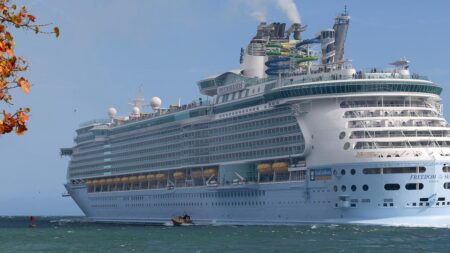




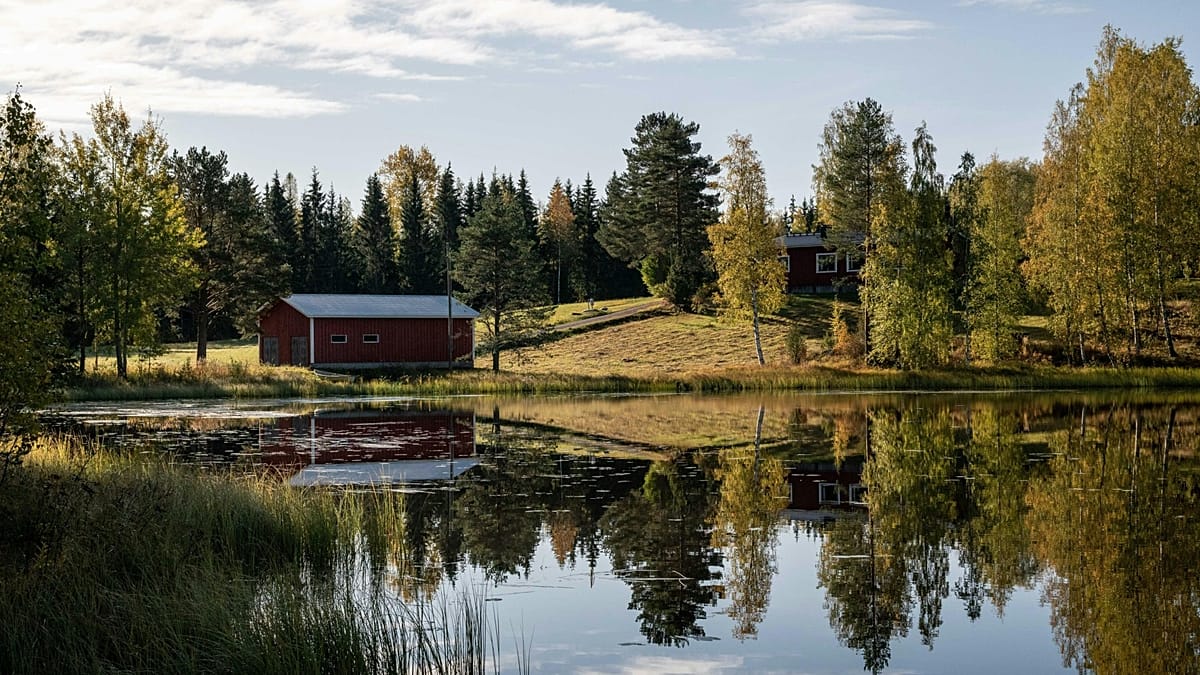
“Coolcations” are growing in popularity as holidaymakers increasingly attempt to escape the soaring temperatures and crowds in major summer destinations such as Greece, Spain, Italy and Portugal.
Rising incidents of extreme weather, including heat waves and wildfires in these southern European destinations, have only served to bolster this trend.
Recent analysis by car rental company Sixt has revealed that travel to Scandinavia is expected to surge up to 35% in 2026, mainly driven by the ongoing popularity of coolcations.
Tour operator Intrepid Travel is also seeing the growing trend. CEO James Thornton says that the company carries more than 40,000 people in Iceland.
“So you see exactly the same potential to do that across the countries here in Scandinavia,” he adds. “We know there’s real big demand for our style of travel here.”
Cooler destinations such as the Nordics, Canada, Ireland and Scotland offer not only breathtaking scenery and a host of exciting outdoor and adventure activities but also champion sustainable tourism.
Immersive experiences such as glacial dips, fjord hikes and midnight sun adventures make these holiday spots stand out even more.
But will coolcations continue to be in demand this summer?
Why are travellers choosing Nordic coolcations this summer?
One of the biggest reasons for this shift towards Nordic destinations is the desire to escape from soaring temperatures and heat waves in southern Europe.
“We have seen this multiple times for travellers who specifically went to Svalbard mid-summer to experience ice, glaciers and cool temperatures whilst the rest of southern Europe was in a heat wave,” says Andy Marsh, founder of Polar Escapes.
Several Nordic regions and activities are much more accessible during the summer months, while offering a different range of spectacular landscapes, abundant wildlife and thrilling outdoor adventures from wintertime.
Longer daylight hours, sometimes up to 24 hours, mean travellers will get the most out of their trip, too.
“In Iceland, it can be extremely challenging to visit the remote, surreal landscapes of the far north like Lake Myvatn in winter months (as well as early spring and late fall),” Robert Miller, product manager at Goway Travel, points out.
“Want to snorkel between tectonic plates? Best to do so in the summer (yes, you’ll still find it chilly, but not bone-chilling!).”
Nordic coolcations also provide a sense of escapism, offering travellers the chance to venture off the beaten path, especially with increasing protests and measures against over tourism in southern Europe.
These places offer travellers the opportunity for more meaningful experiences through deeper connections with locals, which are harder to do in other overcrowded destinations.
“In the travel space, it’s all about more connection than it’s about trying to raise walls and create differences between people,” Thornton pointed out.
“And what we see during these geopolitically divided times is that people are looking for experiences where they can have connection and they can have community and they can step away from some of the isolation and the concerns they experience through social media.”
Andrew Harrison-Chinn, the CMO of Dragon Pass, highlights that coolcations often support more mindful travel.
“Travellers are opting for trips that align with their values. Nordic destinations offer something increasingly valuable to modern travellers: space, serenity, and sustainability,” he adds.
“In recent years, we’ve seen growing interest in travel that fosters a deeper connection with nature and prioritises personal wellbeing. From the origins of the Finnish sauna to trekking Norway’s fjords, more travellers are turning to Scandinavia to embrace lagom (balance) and hygge (well-being).”
Nordic destinations also focus on sustainability, with well-developed networks of green travel infrastructure, including electric public transport and eco-certified lodging.
They can be incredibly family-friendly as well, with public transport being completely pushchair accessible, an abundance of playgrounds and parks, and easy-to-find changing tables.
Upcoming destinations this summer include Greenland, according to Marsh, who says it is the “perfect place for a coolcation”.
“Picture icebergs the size of tower blocks, fjords that stretch on for an eternity, and pure wilderness in one of the least densely populated places on the planet.”
Which are the best European coolcation spots this summer?
As coolcations gather momentum, a number of destinations across the world – both well-known and niche – are seeing a new wave of tourists.
However, Europe still remains a classic favourite, due to its abundance of cooler destinations offering a wide variety of outdoor, adventure and wellness activities.
So where should you head for a European coolcation this summer?
Nuuk, Greenland: Wild and remote fjord beauty
Searches to Nuuk have soared around 48.4% over the last year, according to hiking holiday company Inghams Walking.
Greenland’s capital offers refreshingly cool summer temperatures between May and August, with travellers able to immerse themselves in a unique blend of Arctic nature and Inuit culture.
Marvel at the midnight sun on boat tours to see icebergs, whales and the world’s second-largest fjord system or walk the historic waterfront for the traditional brightly-coloured houses and the iconic “Mother of the Sea” statue.
Want a bit of extra adventure? Try a deep sea fishing trip with local fishermen.
Culture seekers can head to the Greenland National Museum for deeper insight into Norse and Inuit history and to see the famous Qilakitsoq mummies or the Nuuk Art Museum for local Greenlandic art.
Voss, Norway: Adrenaline-packed adventure and stunning nature
Voss is another prime spot for a European coolcation this summer, offering a staggering range of outdoor activities with picturesque landscapes. The world’s biggest annual extreme sports festival, Ekstremsportveko, is also held in Voss every June.
Water sports lovers can whitewater raft in the rapids of the Raundalselva and Strandaelva rivers, or kayak and swim, for a gentler activity.
For an added dose of thrill, try skydiving or paragliding, with indoor skydiving options available too. Hikers have several trails to choose from, with Mount Hangurstoppen being especially popular for both hiking and mountain biking.
Explore the Voss Folk Museum for traditional farm buildings and local history, or try delicacies like smalahove (sheep’s head).
Hornstrandir Nature Reserve, Iceland: Birdwatching, hiking and wildlife photography
Nature lovers, wildlife photographers and travellers looking for a truly remote coolcation spot will find Hornstrandir right up their alley. Located in Iceland’s Westfjords, Hornstrandir is accessible only by boat from Ísafjörður.
This is the only place in the world where Arctic foxes are protected, which means that they move more freely, offering plenty of fantastic sighting opportunities for wildlife photographers and nature enthusiasts.
Hikers and backpackers can try several spectacular routes form Hesteyri to Hornvik, with trails ranging from day hikes to the 4-5 day Royal Horn route. Another option is hiking to the Hornbjarg cliffs, which tower over 500 metres, which is a birdwatching haven with plenty of Guillemots, Arctic Terns and Razorbills.
For a more immersive experience, try camping for a few days, weaving in some picturesque coastal kayaking trips to get up close and personal with the dramatic fjords and sea stacks.
Lake Bohinj, Slovenia: Laid back summer in the Julian Alps
Travellers looking for offbeat coolcations outside of the Nordics can head to Slovenia’s Lake Bohinj for a peaceful, family-friendly summer break nestled amid the Julian Alps.
Swim in the crystal-clear lake, or rent a kayak, stand-up paddleboard or canoe, available from a number of spots, including the Bohinj Campsite, or relax on the pebble beaches near the Zlatorog statue. Boat rides and paragliding is available too.
Explore the Mostnica Gorge for scenic forest paths and more clear pools or head to the Church of St. John the Baptist, a 14th-century church with local frescoes, with easy access to the traditional Stara Fužina village too.
The Bohinj Fair in August also offers plenty of local music.
Could the rise of coolcations cause overtourism in Nordic destinations?
With the shift in tourism towards cooler destinations, concerns about potential overtourism in Nordic destinations are cropping up.
Surging tourism could put more pressure on cities such as Reykjavik and Bergen, which are not as well-equipped to handle high-volume summer tourism as alternatives like Mykonos or Rome.
“Nordic countries are smaller in size and experience a shorter summer, resulting in a more condensed tourism season,” notes Megan Vila, innovation manager at Expat Explore.
“Remote villages and national parks across the region may lack the infrastructure to support large crowds, and over tourism could put pressure on the pristine natural environments these destinations are known for.”
However, several Nordic countries are already well aware of these risks and preserve sustainable tourism mainly through strong environmental and tourism policies. These include encouraging longer stays, promoting sustainable tourism and spreading visitor numbers across many regions.
Are coolcations for you?
Although coolcations can be a welcome escape from scorching temperatures, they can still have unpredictable weather, higher prices. Limited accommodation in most of these destinations means early planning is essential in order to avoid steep premiums.
Olivier Heuchenne, co-founder at Insider Villas, explains that some places aren’t as developed for tourism, so things like transport, language or dining options might be limited.
“Also, if you’re looking for lively nightlife or lots of social energy, these destinations might feel a bit quiet.”
A lack of connectivity to very remote destinations such as Svalbard and Arctic Sweden and Finland can mean several flight connections and longer travelling times, too.
”Coolcations can come with a higher price tag – especially for accommodation and transport in remote areas – and often require more advance planning,” Harrison-Chinn says.
“Transport connections to remote destinations can also be limited or more expensive, making travel logistics a little more challenging.
“Smaller airports outside capital cities offer fewer alternative flight routes in case of disruptions, potentially leading to greater inconvenience for travellers.”
Read the full article here