




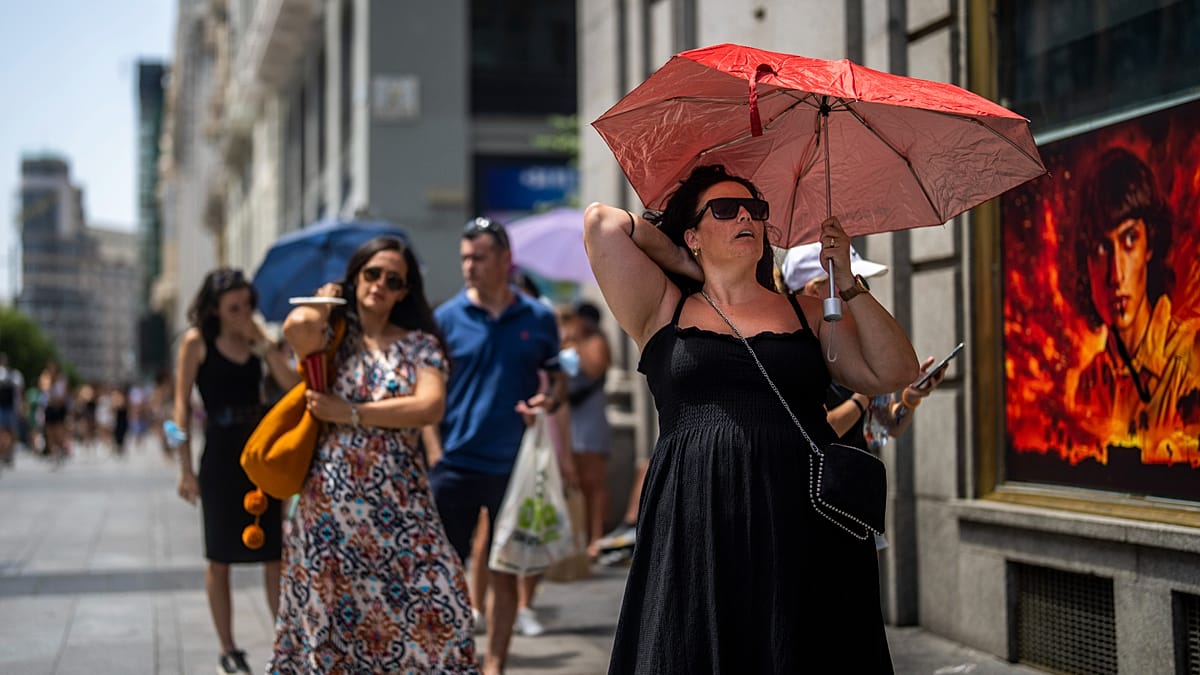
Extreme weather is increasingly impacting travel experiences and decisions, from intense heat changing summer holiday habits and destinations to risks of wildfires driving interest in travel insurance.
Now, climate models are predicting the arrival of a ‘super’ El Niño this year. The warming phenomenon in the tropical Pacific shapes global weather patterns, and can power droughts, flooding and heat waves.
For travellers, this means being even more prepared to factor climate and weather risks into planning.
How extreme weather is changing travel habits
The UN’s World Meteorological Organisation now warns there is an 80% chance El Niño develops this summer and more than a 90% chance it persists into November, with the potential for droughts, heavy rains, and heatwaves worldwide.
For travellers, that means greater concern around storm activity, wetter conditions in some regions, and more volatile summer weather expectations overall.
Fuelled by unusually warm ocean waters in the tropical Pacific, El Niño is expected to leave virtually nowhere untouched, with above-average temperatures forecast around the globe for June to August.
A recent survey of 600 US leisure travellers by Sensible Weather found that bad weather now ranks as the second biggest concern at booking, only behind cost. More than half (55%) said they have delayed a trip because of weather uncertainty.
Travel insurance is not guaranteed to reimburse you if extreme weather or a heatwave affects your trip. You would likely only receive compensation if there is a government advisory against travel to your chosen holiday destination, or your doctor has advised against you travelling.
As such, the arrival of El Niño means it is more prudent for travellers to be proactive in their booking decisions.
“We’re seeing travellers become more selective about destinations, with more interest in ‘coolcations,’ shoulder-season travel, and experiences that feel more adaptable if weather conditions change during a trip,” says Nick Cavanaugh, founder and CEO of Sensible Weather, a weather protection provider for travellers and travel businesses.
If a heatwave is forecast and your itinerary involves outdoor adventure, for example, it might be worth asking your travel provider if you can change your plans or dates.
“At the same time, spending behaviour has become more cautious. People still want to travel, but they want more confidence that their trip investment will hold up, even if the forecast changes,” he added.
The rise of weather-related protection products
As climate uncertainty becomes a greater consideration for travellers planning a trip, weather-related protection is moving from a niche add-on to a core confidence tool, says Cavanaugh.
“Traditional travel insurance is often built around major events that interrupt or prevent a trip altogether, such as a medical emergency, jury duty, flight cancellation, etc. But many travellers are now more concerned about what happens if the trip goes ahead and the weather negatively impacts the experience,” he explains.
At Sensible Weather, if qualifying weather is forecast for a given booking, reimbursement is “proactive and automatic”.
Earlier this year, JetBlue Vacations trialled a collaboration with the Jamaica Tourist Board and WeatherPromise, offering a ‘Great Weather Guarantee’ for Jamaica holiday packages. It pledged to give customers $500 (€430) back if it rained more than promised during their trip.
Vrbo has also partnered with WeatherPromise to provide payouts if rainy weather ruins a trip. A rainfall threshold is set based on historical rainfall trends specific to the travel destination and dates, and WeatherPromise then monitors the weather using millions of weather data points, including satellite imagery and radar.
Read the full article here