




NEWYou can now listen to Fox News articles!
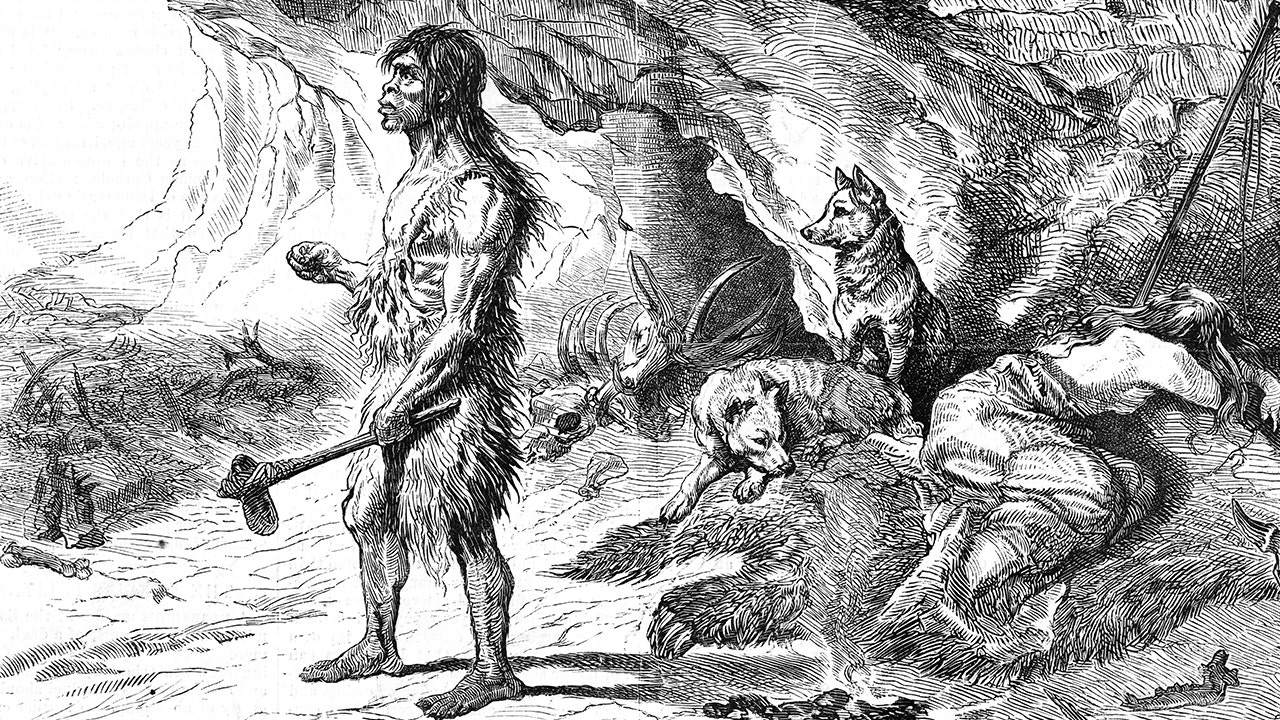
A new study published in the journal Nature suggests that man’s best friend lived alongside humans far earlier than previously believed.
The study was detailed in a University College London (UCL) press release on March 26.
The findings centered around ancient DNA found at archaeological sites in the United Kingdom and Turkey, including Gough’s Cave in Somerset, England.
FIRST OF ITS KIND WAGON EVIDENCE UNCOVERED IN MASSIVE IRON AGE TREASURE TROVE
Researchers were initially unsure if the skeletons were dogs or wolves — as they would have been “indistinguishable,” the release said.
The team sequenced DNA from the ancient remains and compared it with more than 1,000 dogs and wolves worldwide — confirming the animals were early domestic dogs.
The DNA dates to the Late Upper Palaeolithic period, and is between 14,000 and 16,000 years old.
Previous studies showed that ancient dogs lived alongside humans 10,000 years ago — but the new findings push the timeline back 5,000 years.
TEST YOURSELF WITH OUR LATEST LIFESTYLE QUIZ
“Researchers from UCL played a critical role by identifying that skeletal remains excavated from the Upper Palaeolithic site of Gough’s Cave in Somerset belonged to domesticated dogs rather than wolves,” the release said.
“Similar tests found that remains at Pınarbaşı and Boncuklu in Turkey were also from dogs dating to the Upper Palaeolithic period.”


Researchers also gleaned insight into what modern breeds the dogs were similar to, the release noted.
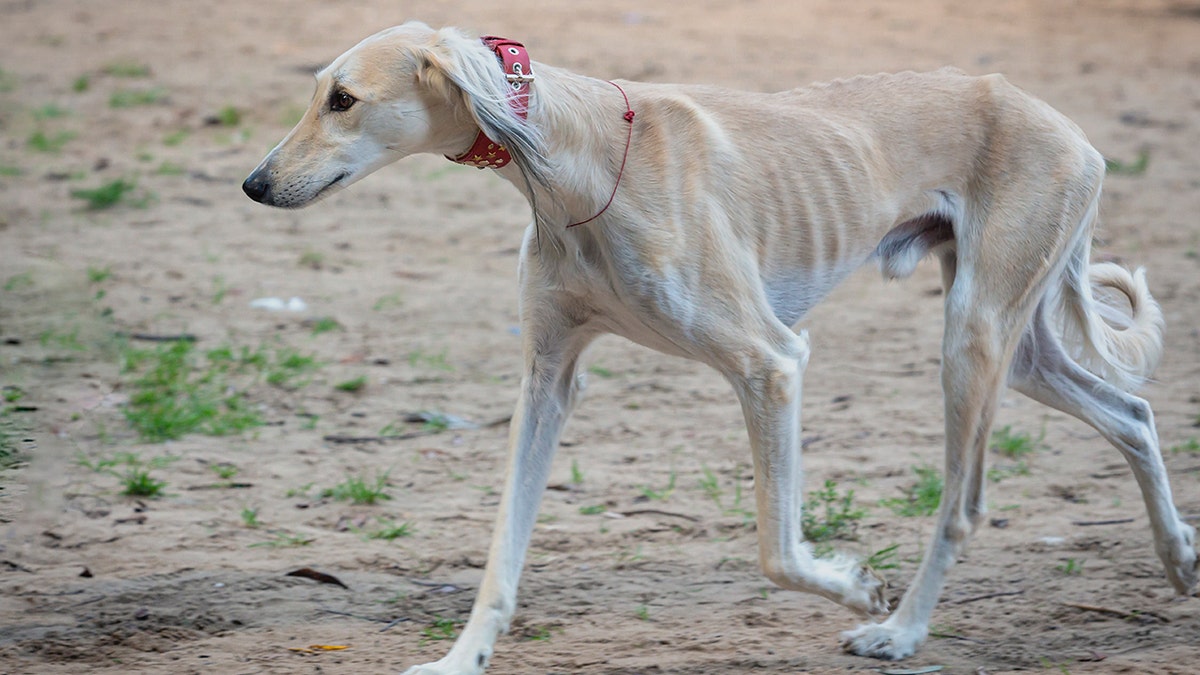
“They were more closely related to the ancestors of present-day European and Middle Eastern breeds, such as boxers and salukis, than to Arctic breeds like Siberian huskies.”
The release said that “this indicates today’s major dog genetic lineages must have been established by the Upper Palaeolithic period.”
Simon Parfitt, a co-author of the study, said the DNA “confirms they were ancient domestic dogs, loyal companions to Ice Age hunters at the northern edge of the inhabited world.”
“Notably, some bones show deliberate human modification, including perforations in mandibles, suggesting these dogs held symbolic significance after death as well as companionship during life,” he said.
The identification of the Paleolithic dogs “represents a step-change in our understanding of the earliest dogs,” said William Marsh, a postdoctoral researcher at the Natural History Museum. He was part of the study.
CLICK HERE FOR MORE LIFESTYLE STORIES
“These specimens allowed us to identify additional ancient dogs from sites in Germany, Italy and Switzerland, which clearly show that dogs were already widely dispersed across Europe and Türkiye by at least 14,000 years ago,” said Marsh.
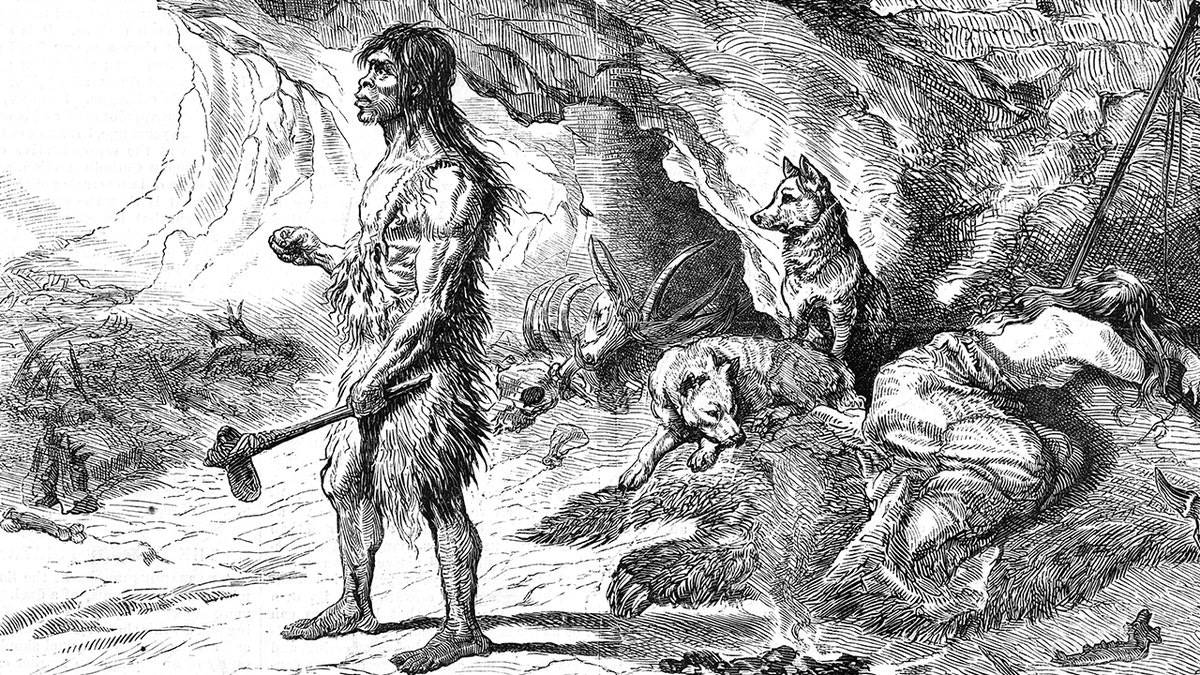
Researchers believe the dogs acted as hunting partners, companions and guard animals.
UCL Professor Louise Martin, a member of the international research team, noted that the dogs were “given burials, with some at Boncuklu buried alongside humans.”
She added, “It highlights the special close relationship between people and dogs even at these early stages.”
Read the full article here